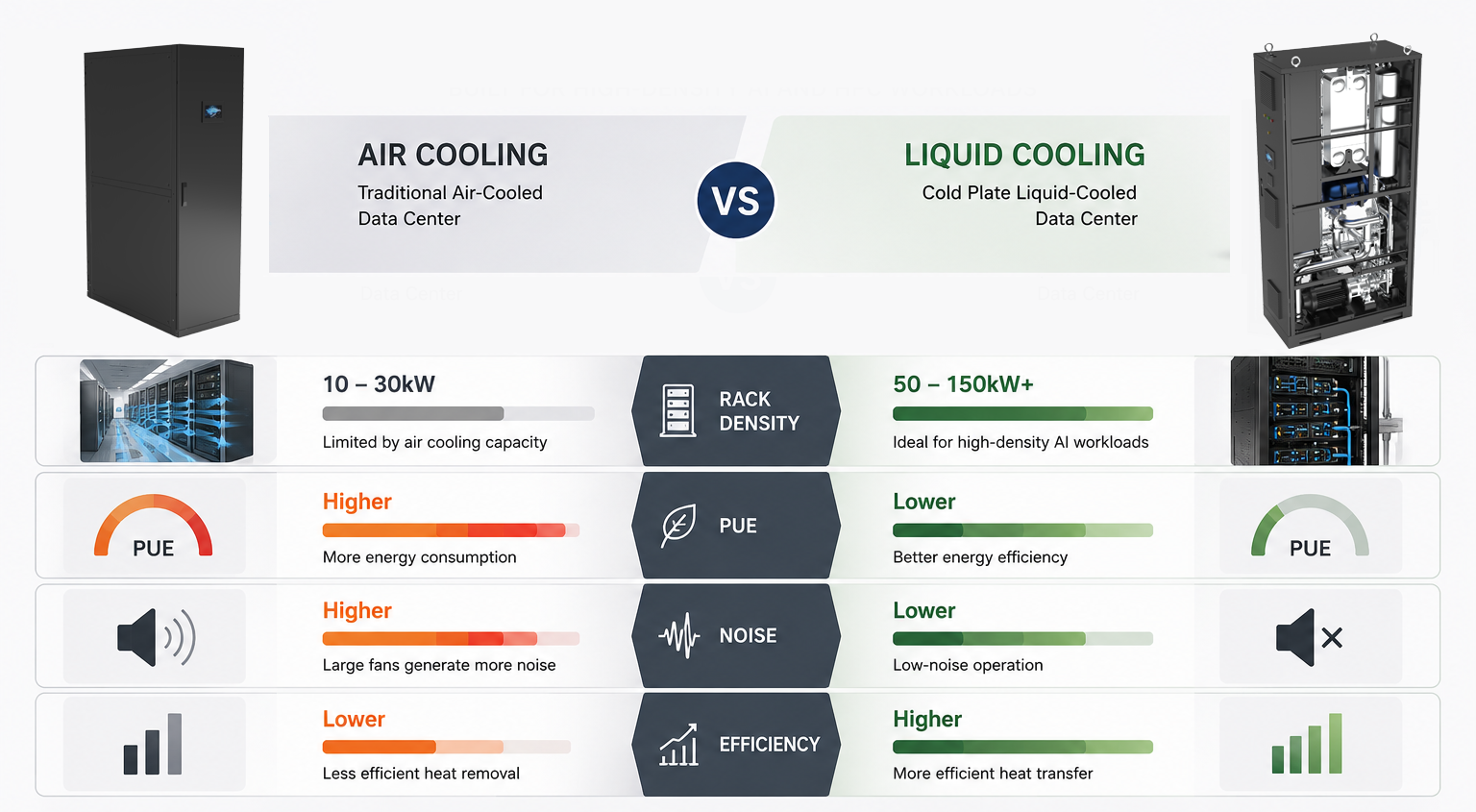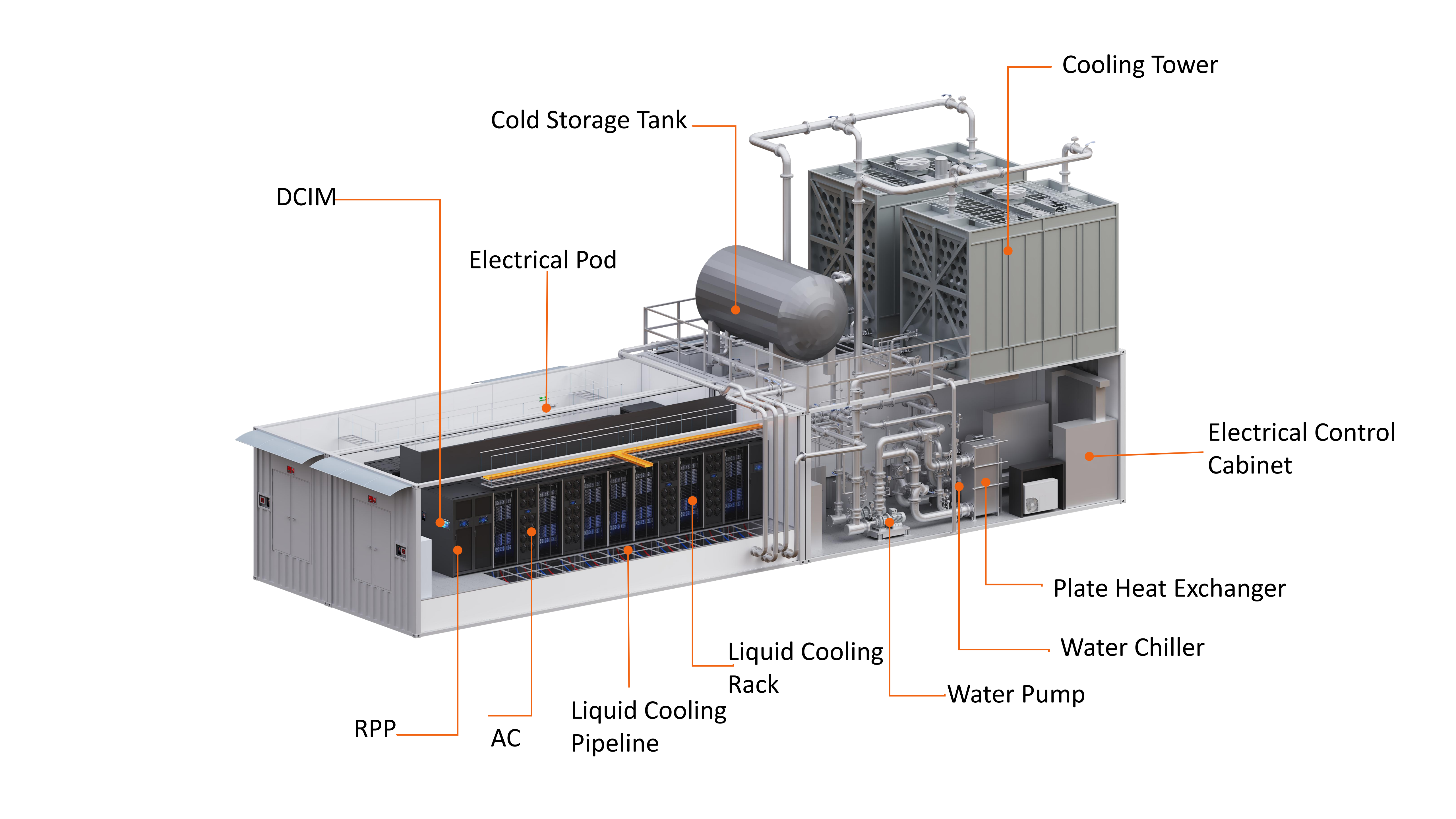
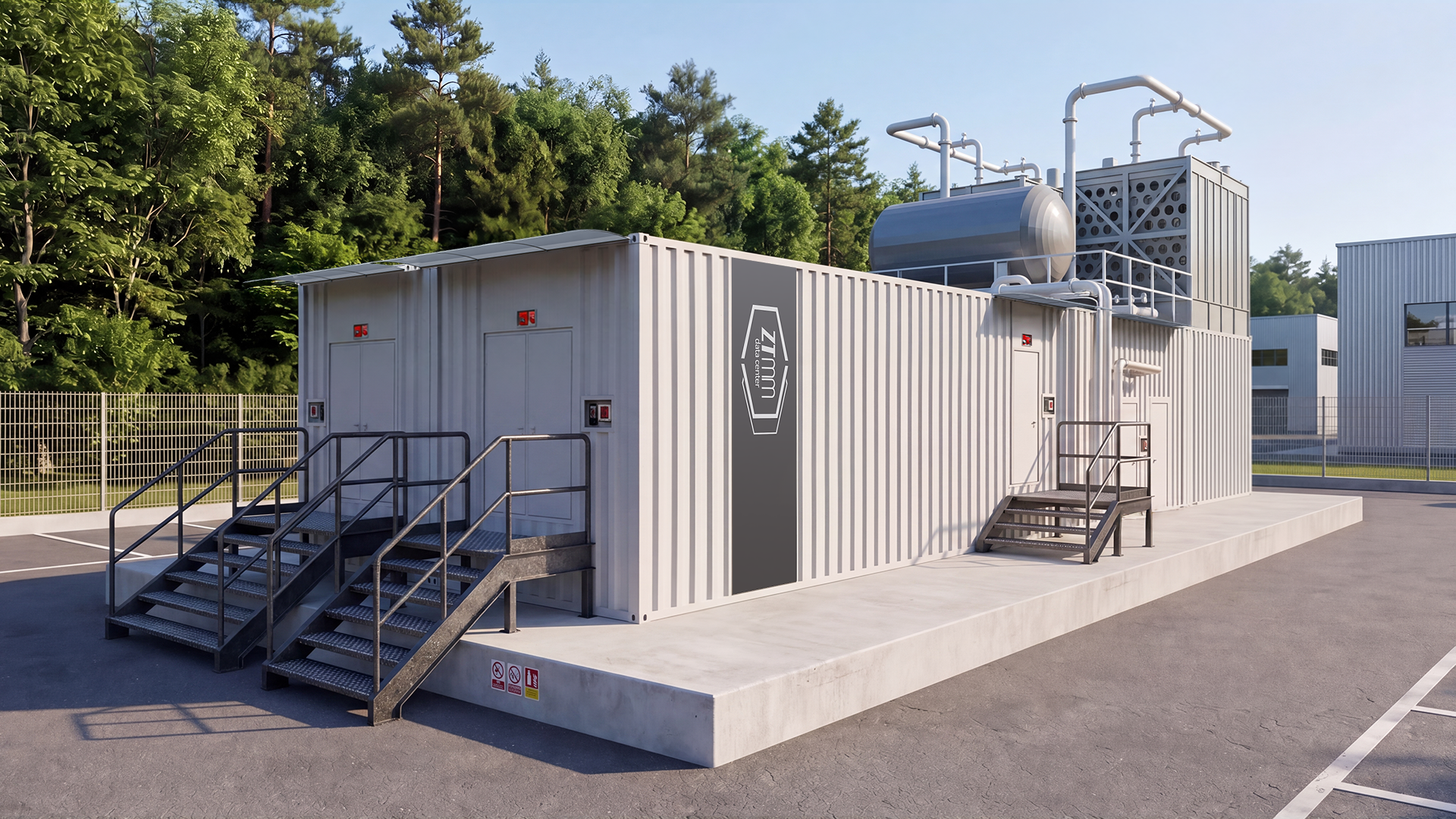
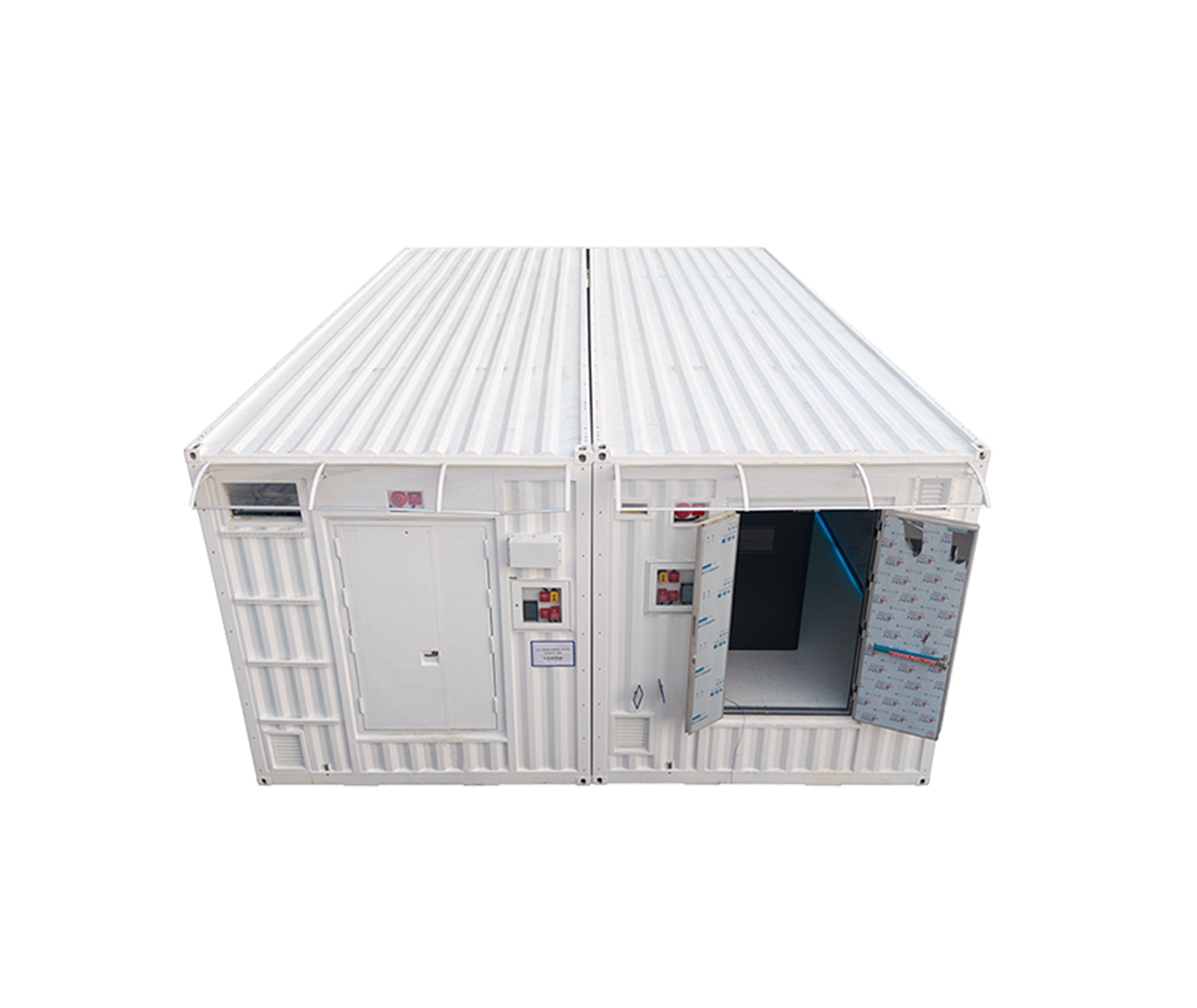
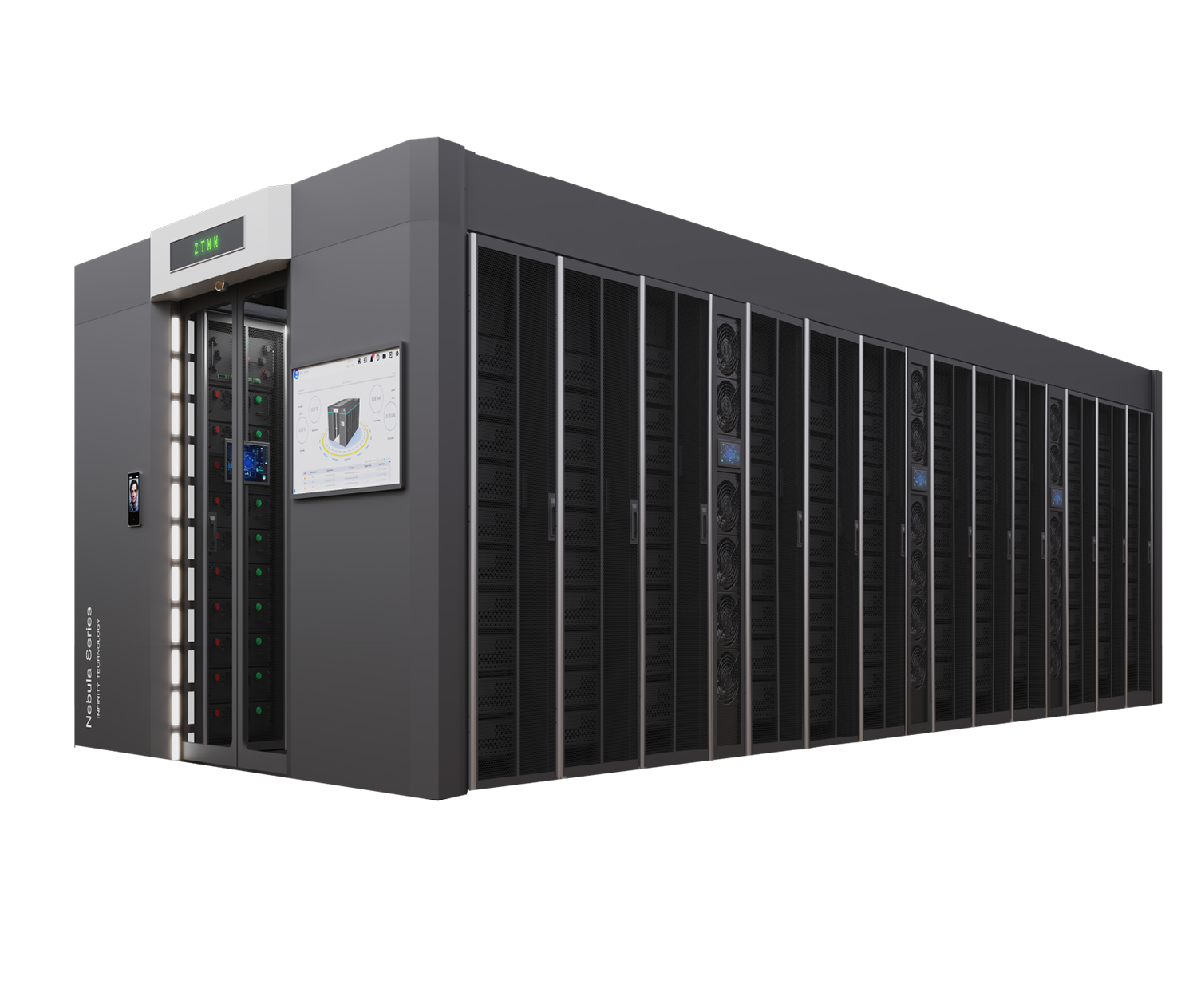
In today’s digital age, data centers are the backbone of countless operations, driving everything from cloud computing to AI applications. However, as the demand for processing power increases, so does the need for effective cooling solutions. Liquid to air cooling systems represent a significant advancement in thermal management technology. By transferring heat away from critical components more efficiently than traditional air cooling methods, these systems help maintain optimal operating temperatures, thereby enhancing performance and reliability. The principle behind liquid to air cooling lies in the superior thermal conductivity of liquids compared to air. This allows for more effective heat transfer, which is essential in high-density environments where traditional cooling methods may struggle. Moreover, the integration of advanced monitoring systems enables real-time adjustments to cooling output, ensuring that energy is used efficiently and only when necessary. As organizations strive for sustainable operations, liquid to air cooling systems also contribute to reduced carbon footprints. By lowering energy consumption, businesses can not only save on operational costs but also align with global sustainability initiatives. This dual focus on performance and environmental responsibility positions liquid to air cooling as a leading choice for future-ready data centers.