

As AI computing, cloud services, edge applications, and digital transformation continue to accelerate worldwide, organizations are facing unprecedented demands for data center capacity.
Traditional brick-and-mortar data centers often require long construction cycles, extensive civil engineering work, and significant upfront investment. These challenges make it difficult for operators, cloud providers, and enterprises to respond quickly to changing business requirements.
Modular data centers have emerged as a smarter alternative.
By integrating power systems, cooling infrastructure, IT space, monitoring platforms, and security systems into factory-built modules, modular data centers enable rapid deployment, simplified expansion, and improved operational efficiency.
However, simply adopting a modular architecture is not enough. To maximize ROI and long-term performance, organizations must optimize every aspect of the modular data center ecosystem.
In this article, we explore seven key strategies for improving modular data center efficiency while reducing operating costs and supporting future growth.
1. Adopt Prefabricated and Factory-Tested Infrastructure
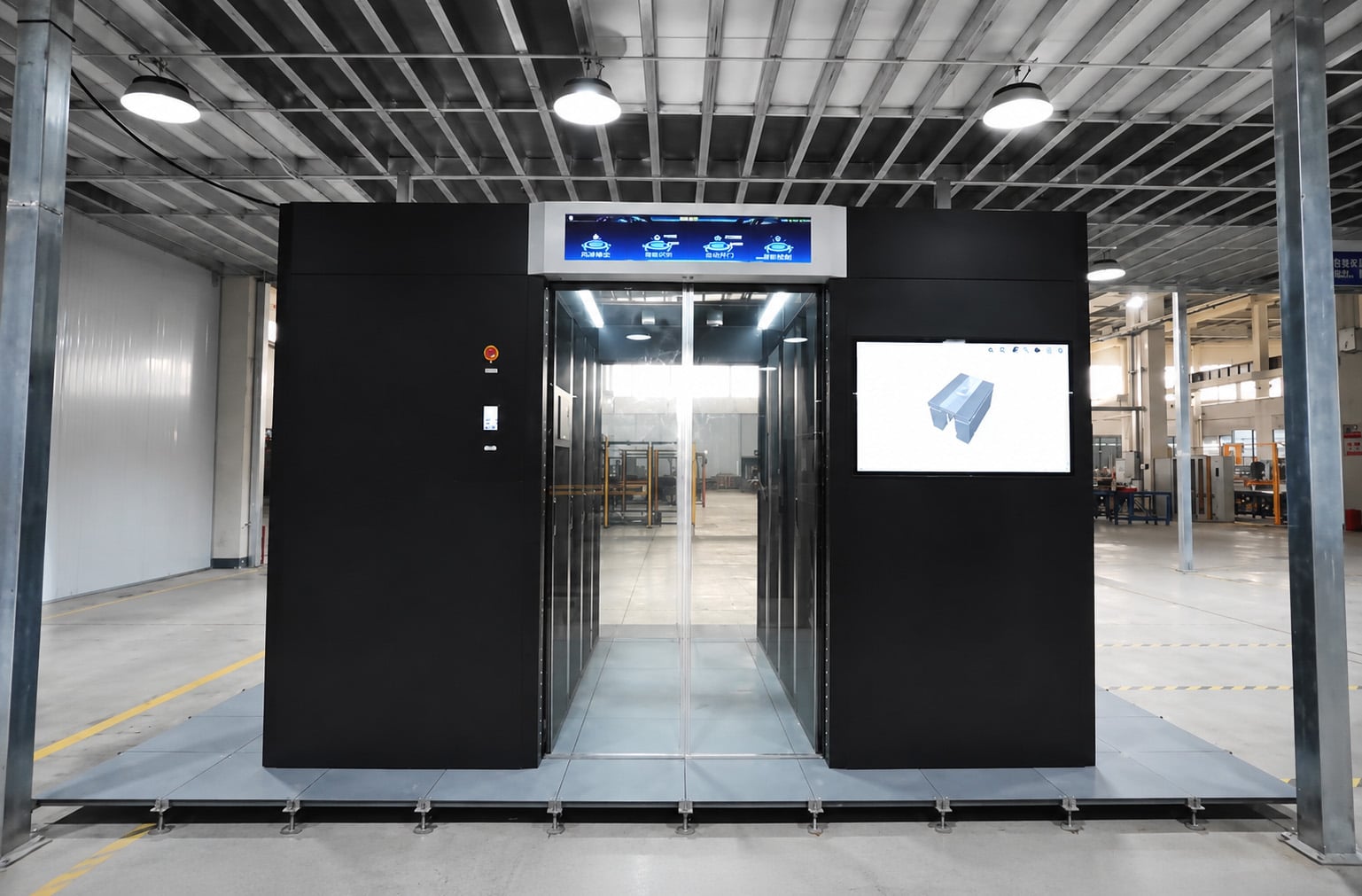
One of the biggest advantages of modular data centers is prefabrication.
Unlike traditional facilities that require extensive onsite construction, modular systems are assembled, integrated, and tested in a controlled factory environment before shipment.
Benefits include:
● Reduced deployment risk
● Faster commissioning
● Higher construction quality
● Lower labor costs
● Improved project predictability
Factory testing ensures that power distribution systems, cooling units, monitoring platforms, and network infrastructure work seamlessly together before arriving onsite.
As a result, deployment timelines can often be reduced from 18-24 months to just a few months.
For operators entering new markets or rapidly expanding AI infrastructure, this speed creates a significant competitive advantage.
2. Optimize Power Infrastructure for Real IT Demand
Overprovisioning is one of the largest sources of inefficiency in traditional data centers.
Many facilities install excessive UPS capacity, power distribution equipment, and backup systems years before the load actually exists.
Modular data centers eliminate this problem by allowing infrastructure to be deployed incrementally.
Organizations can:
● Start with current IT requirements
● Add modules as demand grows
● Avoid stranded capacity
● Improve capital utilization
Modern modular power architectures can achieve UPS efficiencies exceeding 95%, significantly reducing energy losses and operating expenses.
This "pay-as-you-grow" approach ensures capital is invested only when needed.
3. Deploy High-Efficiency Cooling Technologies
Cooling represents one of the largest contributors to data center energy consumption.
As rack densities continue to increase, particularly in AI and HPC environments, traditional room-based cooling systems become less effective.
To improve efficiency, modular data centers should incorporate:
In-Row Cooling
In-row cooling units are installed directly between server racks.
Advantages include:
● Shorter airflow paths
● Faster heat removal
● Reduced cooling losses
● Elimination of hot spots
● Improved temperature consistency
Liquid Cooling Solutions
For AI clusters exceeding 30kW, 50kW, or even 100kW per rack, liquid cooling technologies provide significantly higher heat transfer efficiency.
Common solutions include:
● Rear Door Heat Exchangers
● Direct-to-Chip Cooling
● Centralized CDU Systems
● Liquid Cooling Containers
These technologies can dramatically improve cooling performance while reducing energy consumption.
4. Improve Scalability Through Micro Modular Design
A major challenge of traditional facilities is matching infrastructure growth with business growth.
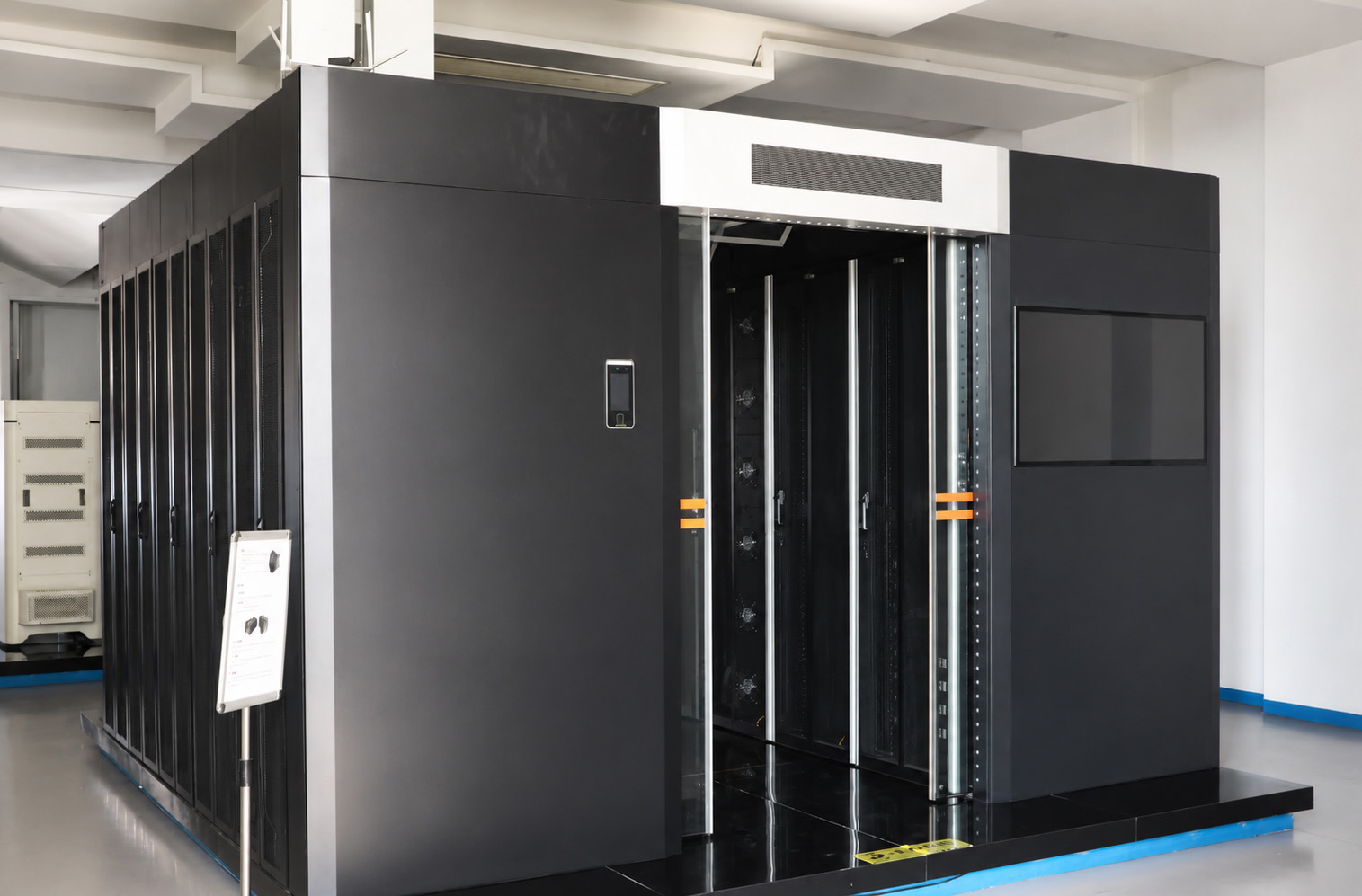
Modular data centers solve this through standardized building blocks.
Organizations can begin with:
● One module
● A small edge deployment
● A regional data center
Then expand seamlessly as demand increases.
Benefits include:
● Flexible capacity expansion
● Reduced deployment risk
● Faster market entry
● Better cash flow management
This modular approach is especially valuable for edge computing deployments, telecom operators, and emerging AI infrastructure projects.
Instead of building a large facility upfront, organizations can scale capacity precisely when required.
5. Implement Intelligent Data Center Infrastructure Management (DCIM)
Efficiency is not only about hardware.
Real-time visibility is essential for optimizing operations.
Modern DCIM platforms provide centralized monitoring of:
● Power utilization
● Cooling performance
● Environmental conditions
● Asset management
● Capacity planning
● Predictive maintenance
Advanced analytics help operators identify inefficiencies before they become costly problems.
Key benefits include:
● Reduced downtime
● Faster fault detection
● Lower maintenance costs
● Improved resource utilization
● Better operational decision-making
For multi-site deployments, intelligent monitoring enables unified management across distributed facilities.
6. Increase Energy Efficiency Through Modular Architecture
Energy efficiency directly impacts Total Cost of Ownership (TCO).
Because modular data centers are designed around actual IT demand, they minimize wasted energy associated with oversized infrastructure.
Key efficiency advantages include:
Better Capacity Matching
Power and cooling systems operate closer to optimal load levels.
Reduced Distribution Losses
Shorter power paths improve electrical efficiency.
Containment Solutions
Hot aisle and cold aisle containment reduce air mixing and improve cooling effectiveness.
Integrated Monitoring
Continuous optimization reduces unnecessary energy consumption.
The result is a lower PUE (Power Usage Effectiveness) and significantly reduced operating costs over the life of the facility.
7. Prepare for AI-Driven Data Center Requirements
Artificial Intelligence is fundamentally changing data center design.
High-performance GPUs generate substantially more heat than traditional servers and require greater power density.
Future-ready modular data centers should support:
● High-density rack deployments
● Liquid cooling integration
● Scalable power infrastructure
● Intelligent workload management
● Rapid capacity expansion
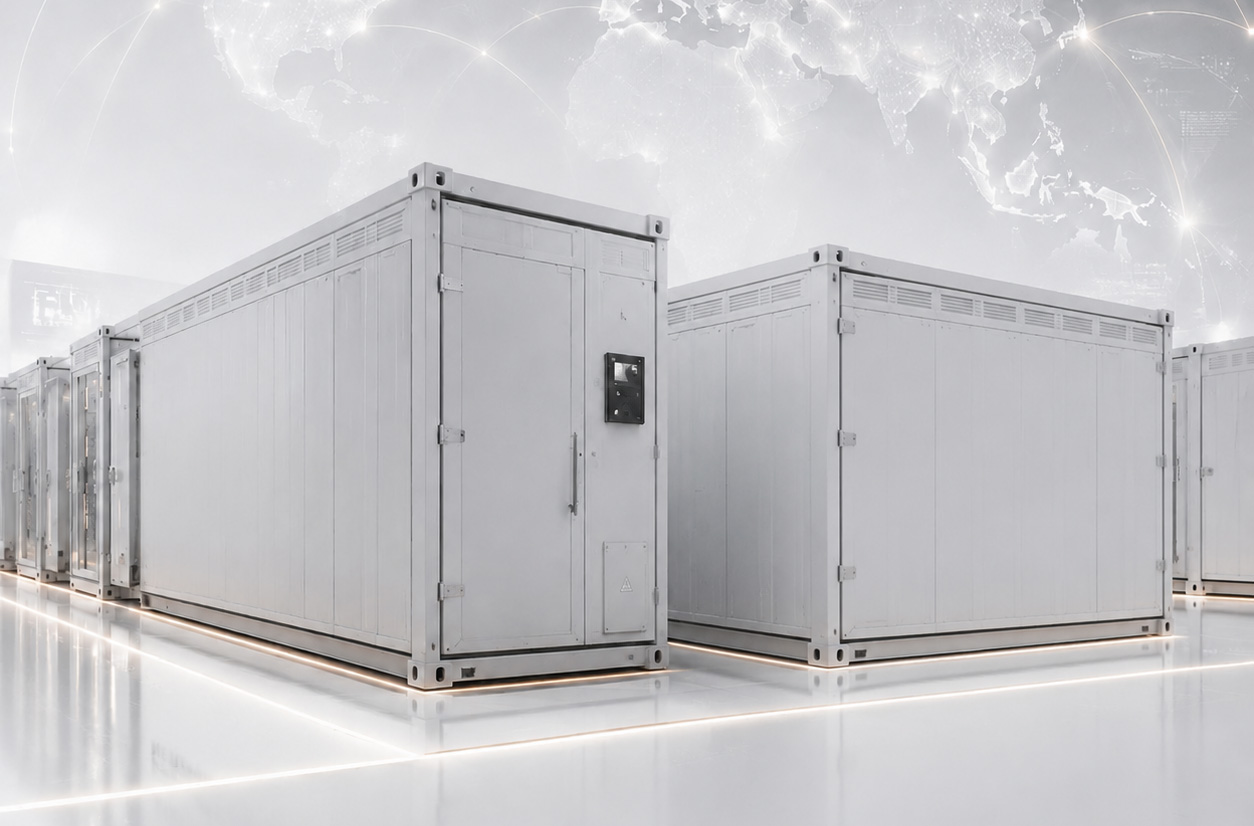
Containerized data centers and micro modular solutions provide an ideal foundation for AI workloads because they combine flexibility, speed, and scalability.
Organizations that prepare today will be better positioned to meet tomorrow's computing demands.
Why Modular Data Centers Are the Future
The global data center industry is undergoing a major transformation.
Organizations can no longer afford lengthy construction schedules, excessive infrastructure overprovisioning, or inefficient energy consumption.
Modular data centers provide a practical solution by delivering:
✓ Faster Deployment
✓ Lower Capital Investment
✓ Higher Energy Efficiency
✓ Improved Scalability
✓ Reduced Operating Costs
✓ AI-Ready Infrastructure
✓ Sustainable Growth
Whether supporting cloud computing, telecom networks, edge applications, or AI training clusters, modular data centers enable organizations to deploy capacity where and when it is needed most.
Conclusion
Improving modular data center efficiency requires more than selecting the right hardware. Success comes from combining prefabricated construction, intelligent power design, advanced cooling technologies, scalable architecture, and smart management systems into a unified infrastructure strategy.
As digital transformation and AI adoption continue to accelerate, organizations that embrace efficient modular data center solutions will gain significant advantages in deployment speed, operational performance, and long-term profitability.
For businesses seeking rapid, reliable, and future-ready infrastructure, modular and containerized data centers are becoming the preferred path forward.
Tell us your needs for data center infrastructure, and our team will provide you with customized green & energy-saving integrated solutions with global delivery and fast response.

 EN
EN