Q:What are the key benefits of containerized data centers?
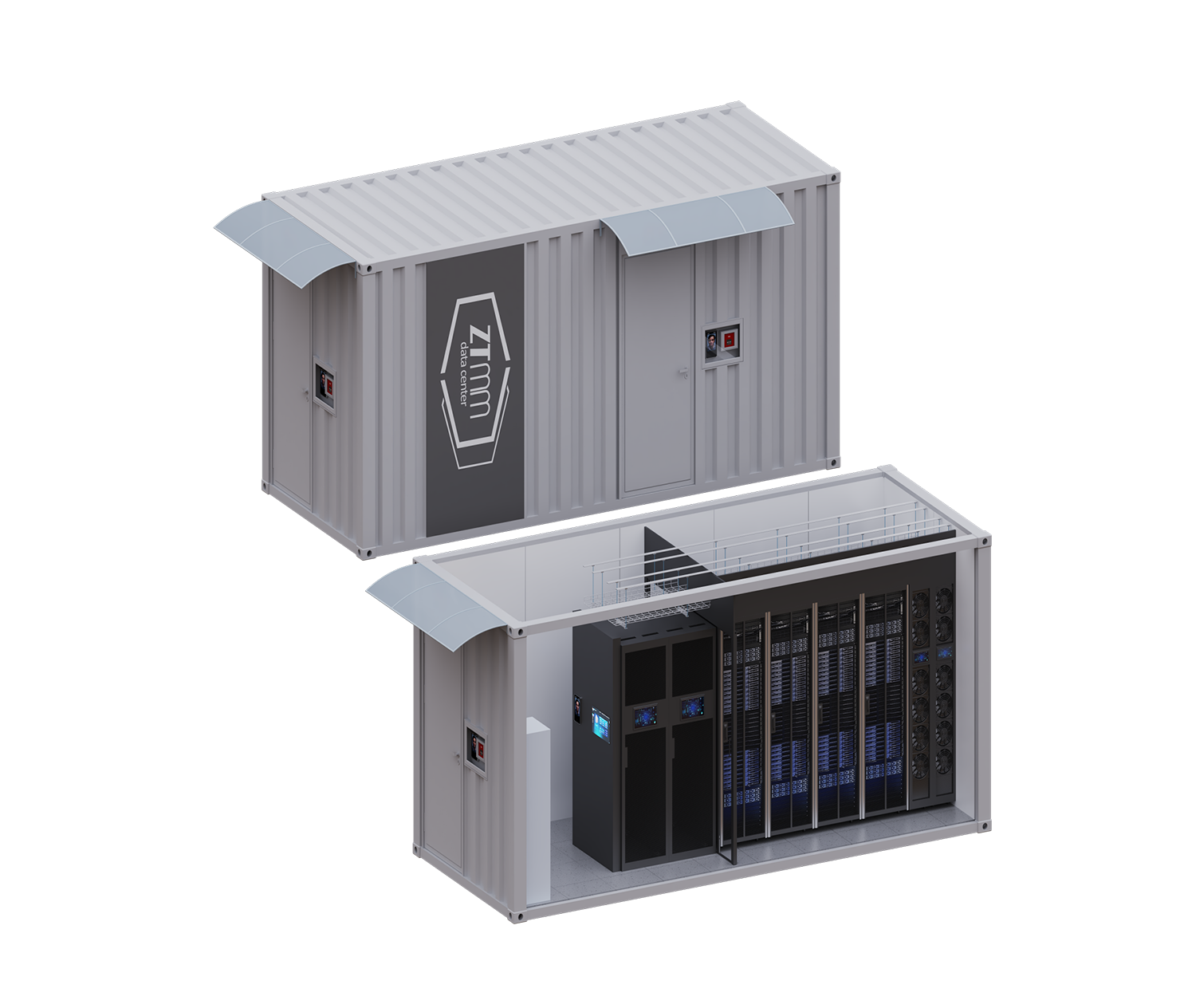
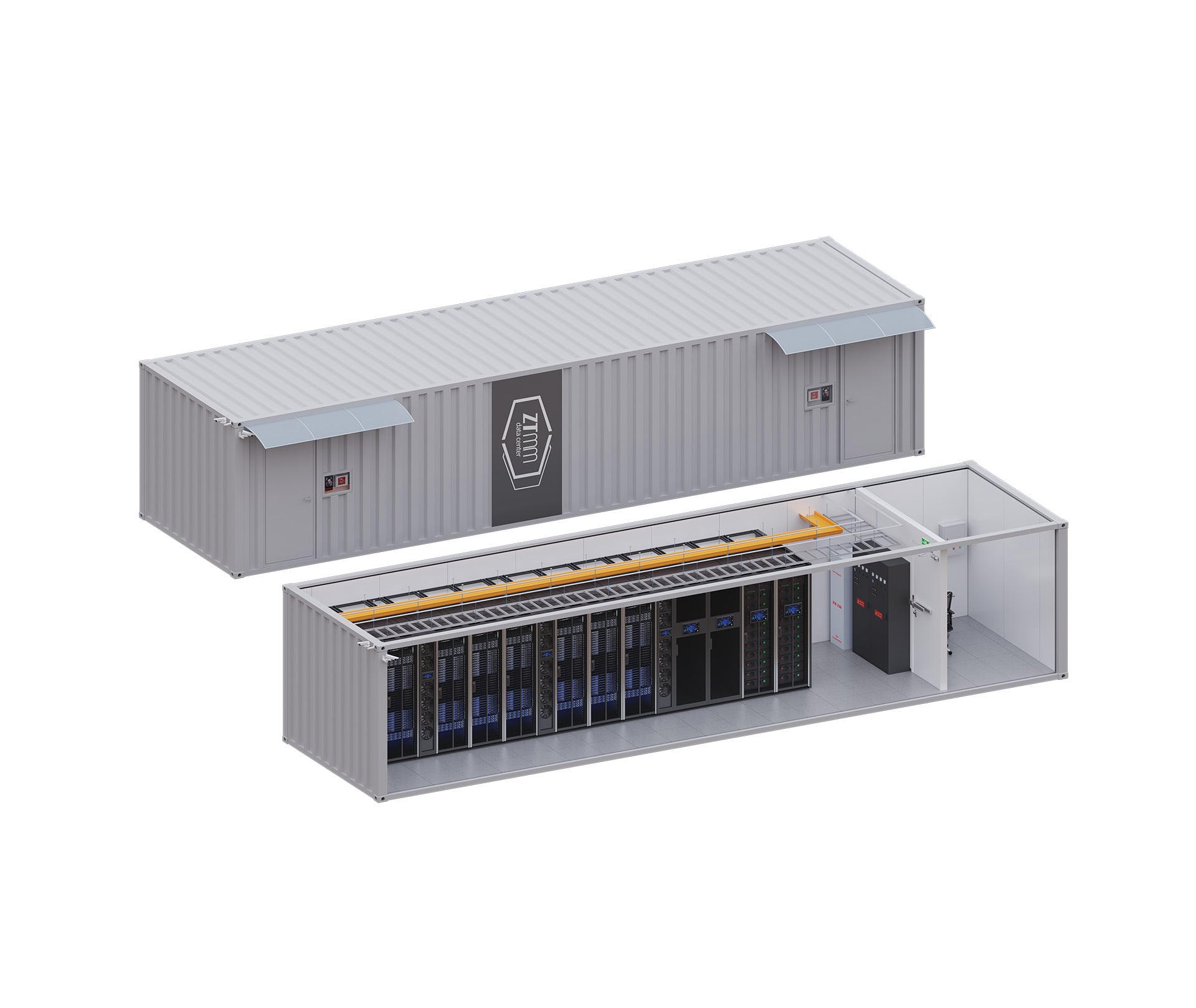
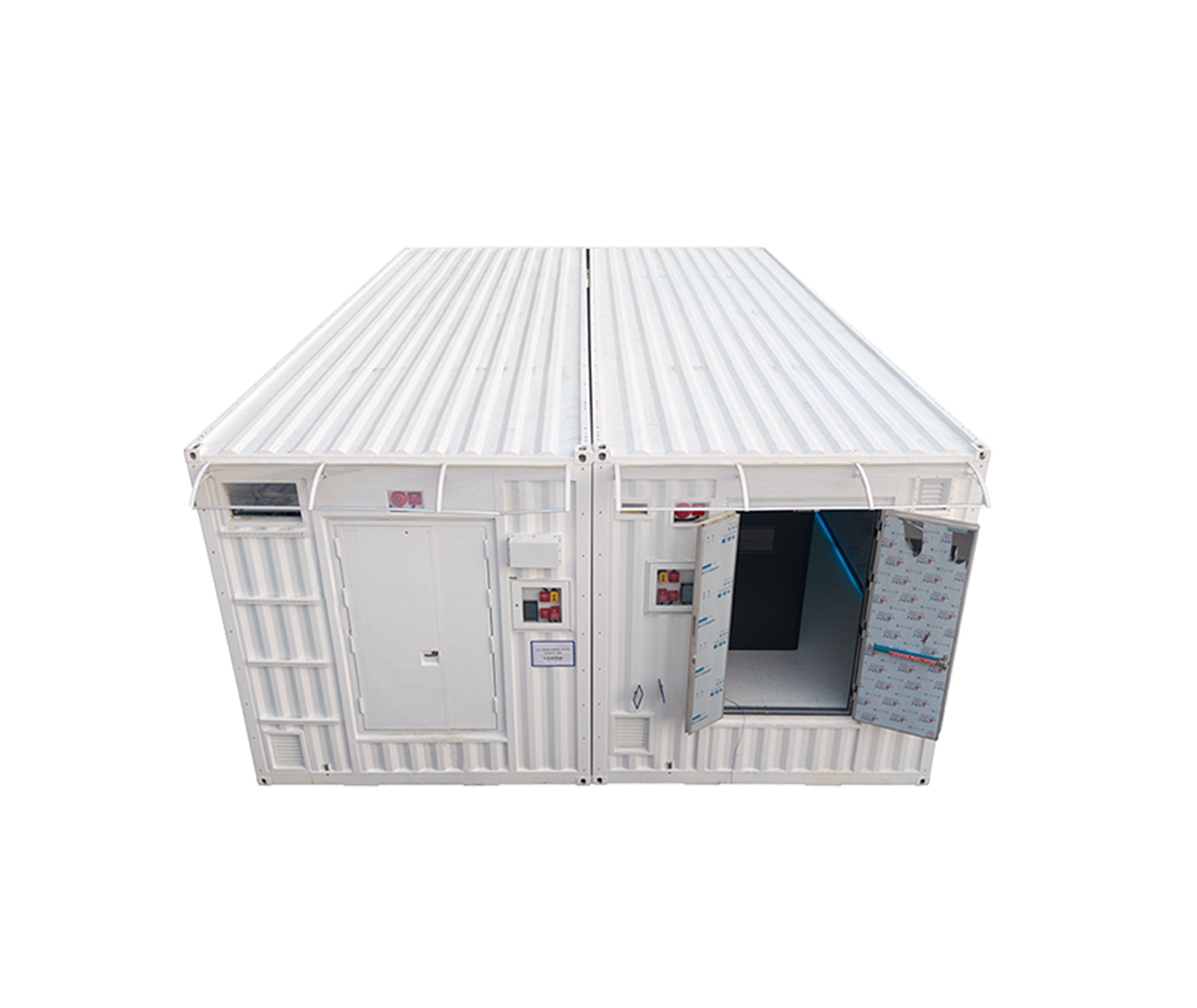
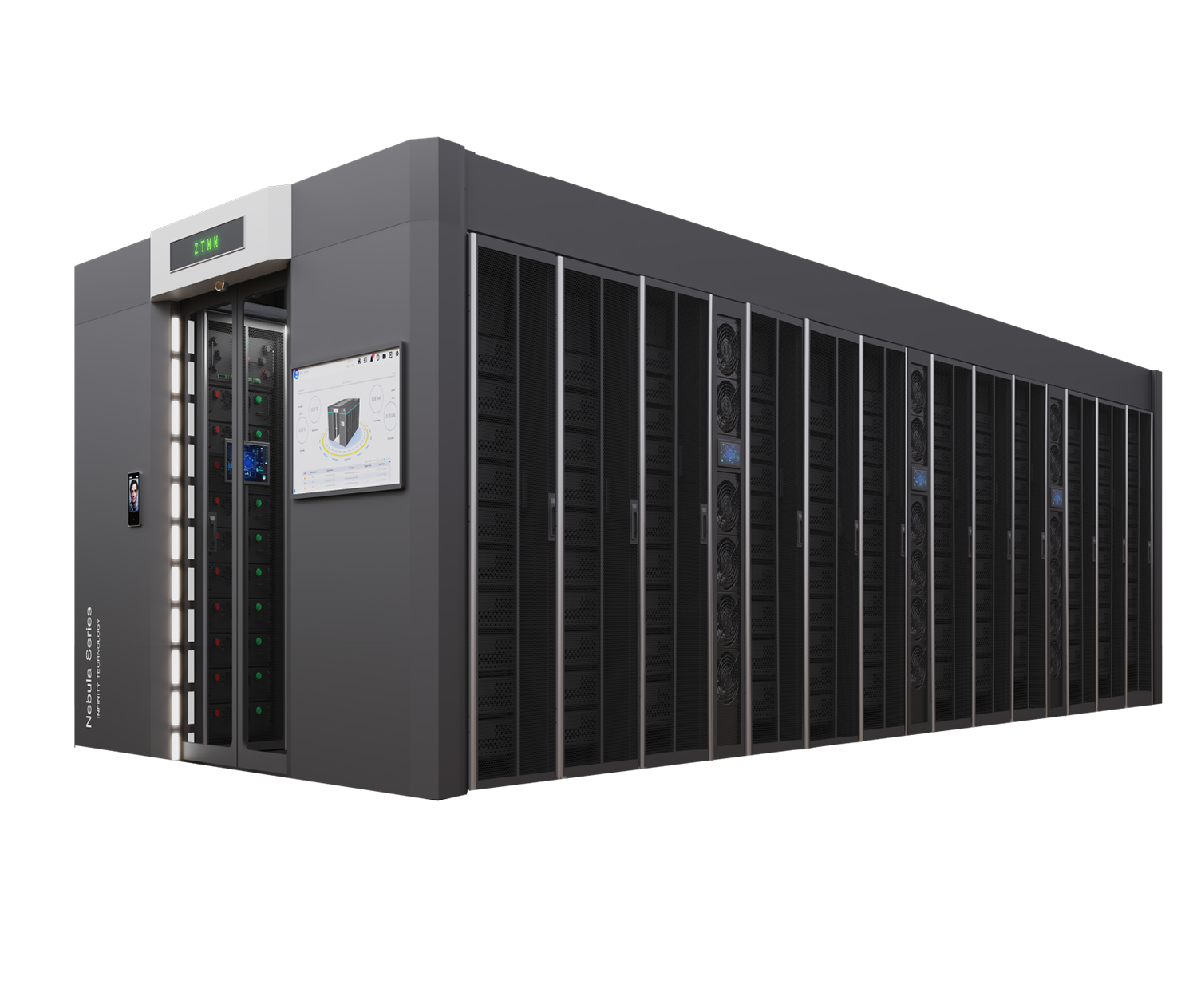
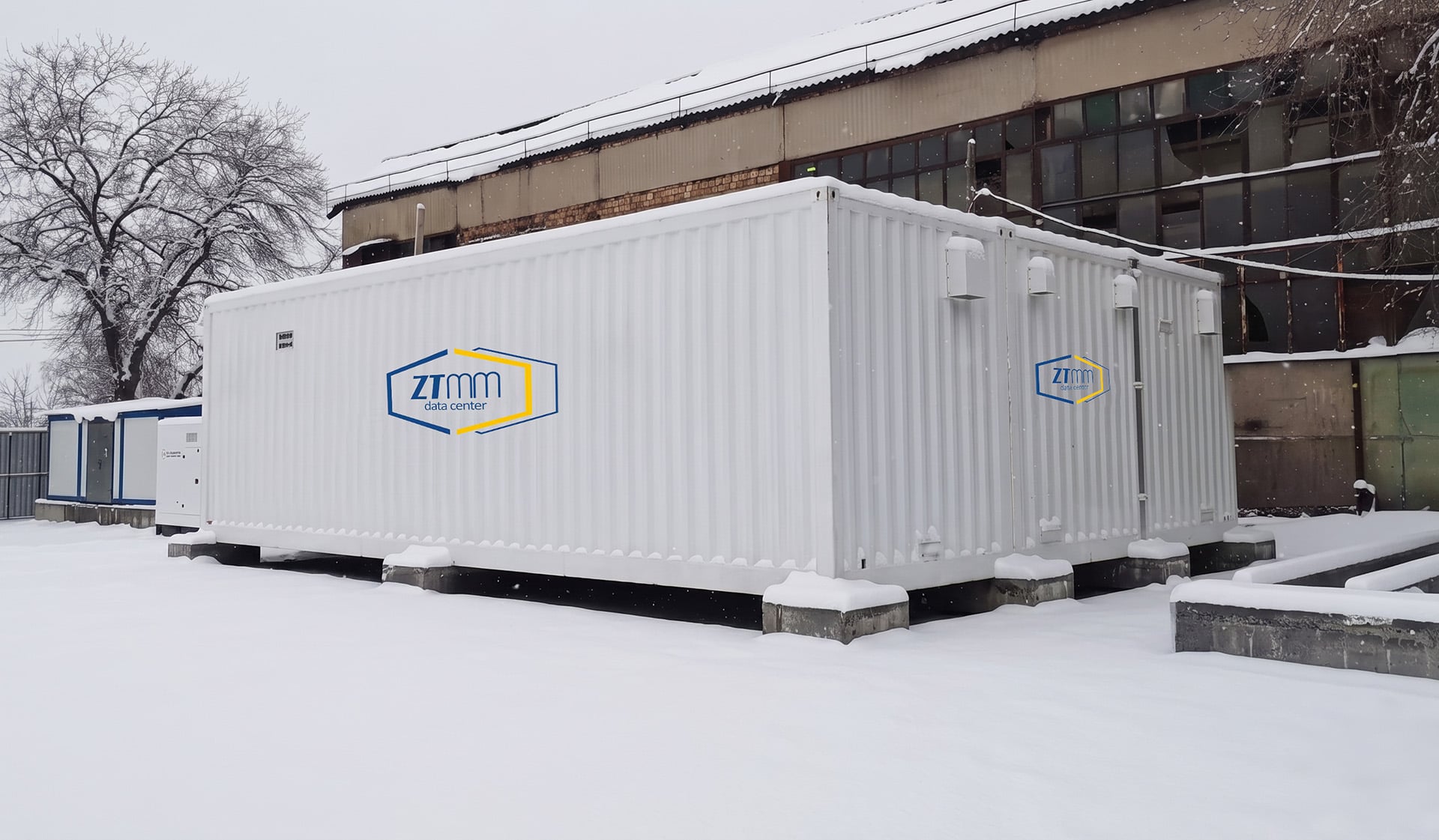
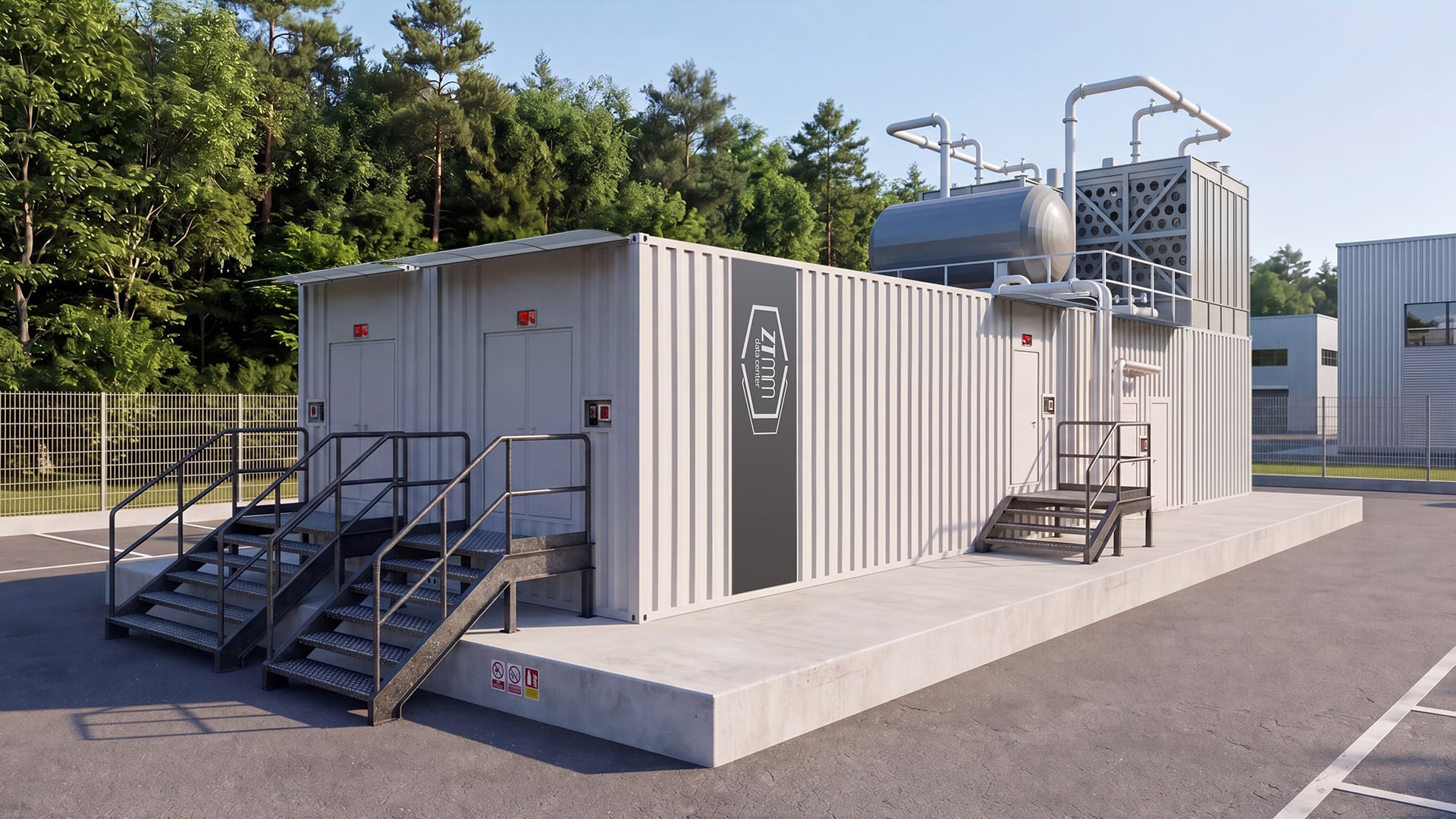
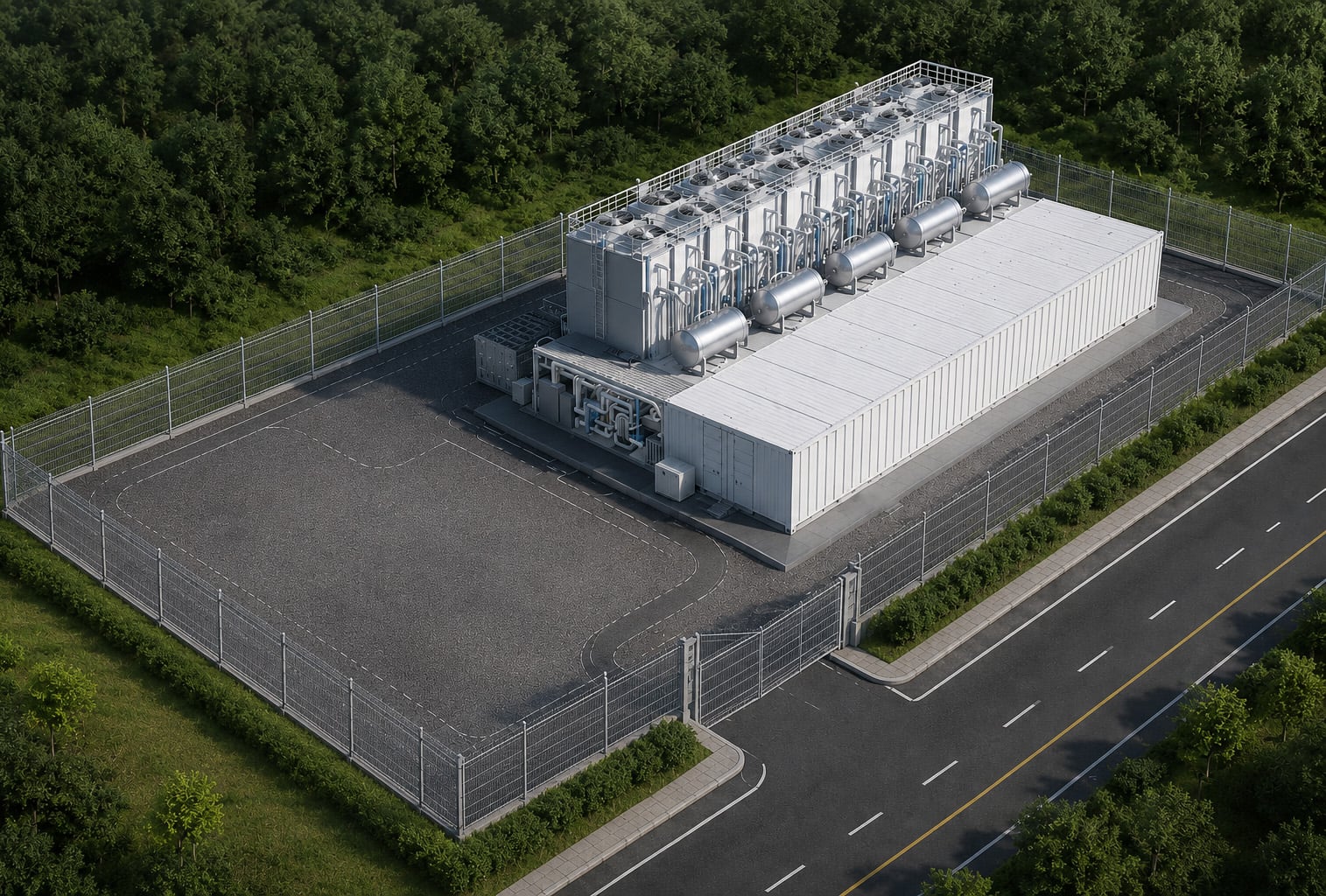
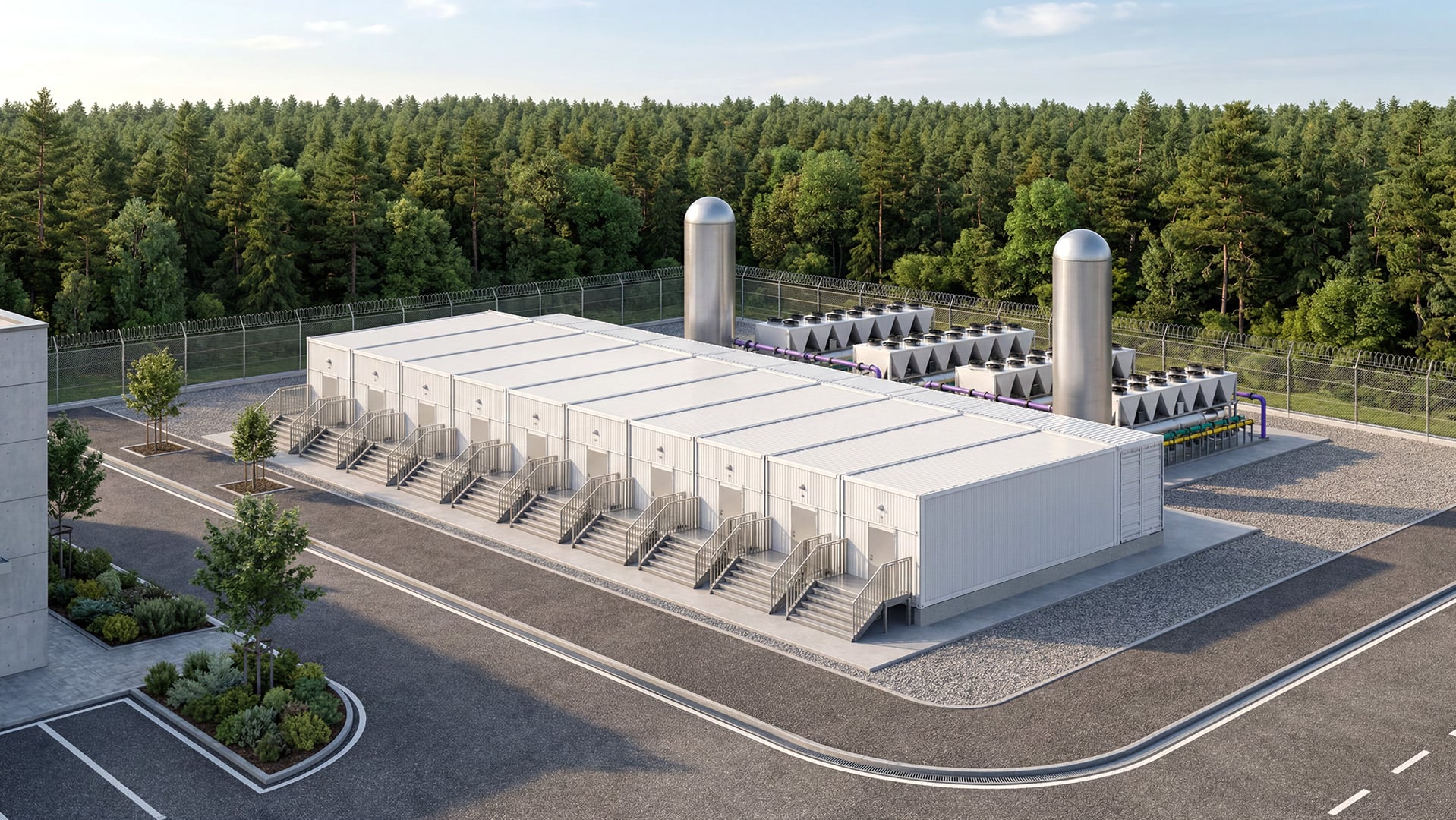
A:Containerized data centers deliver rapid deployment, pre-integrated infrastructure, and high mobility for edge, colocation, and AI workloads. Built in standard shipping container frames, they arrive factory-tested with power, cooling, and rack systems pre-installed, cutting on-site construction time by 50–70% compared to traditional buildouts. They support scalable capacity expansion with modular add-on units, require minimal site preparation, and operate reliably in harsh outdoor or remote environments. Available in 20ft and 40ft configurations, they support power densities from 10kW to over 1MW per unit, with optional liquid cooling upgrades for high-density GPU/AI deployments, and lower upfront capital expenditure via right-sized initial capacity.
Q:How do modular data center solutions differ from traditional data centers?
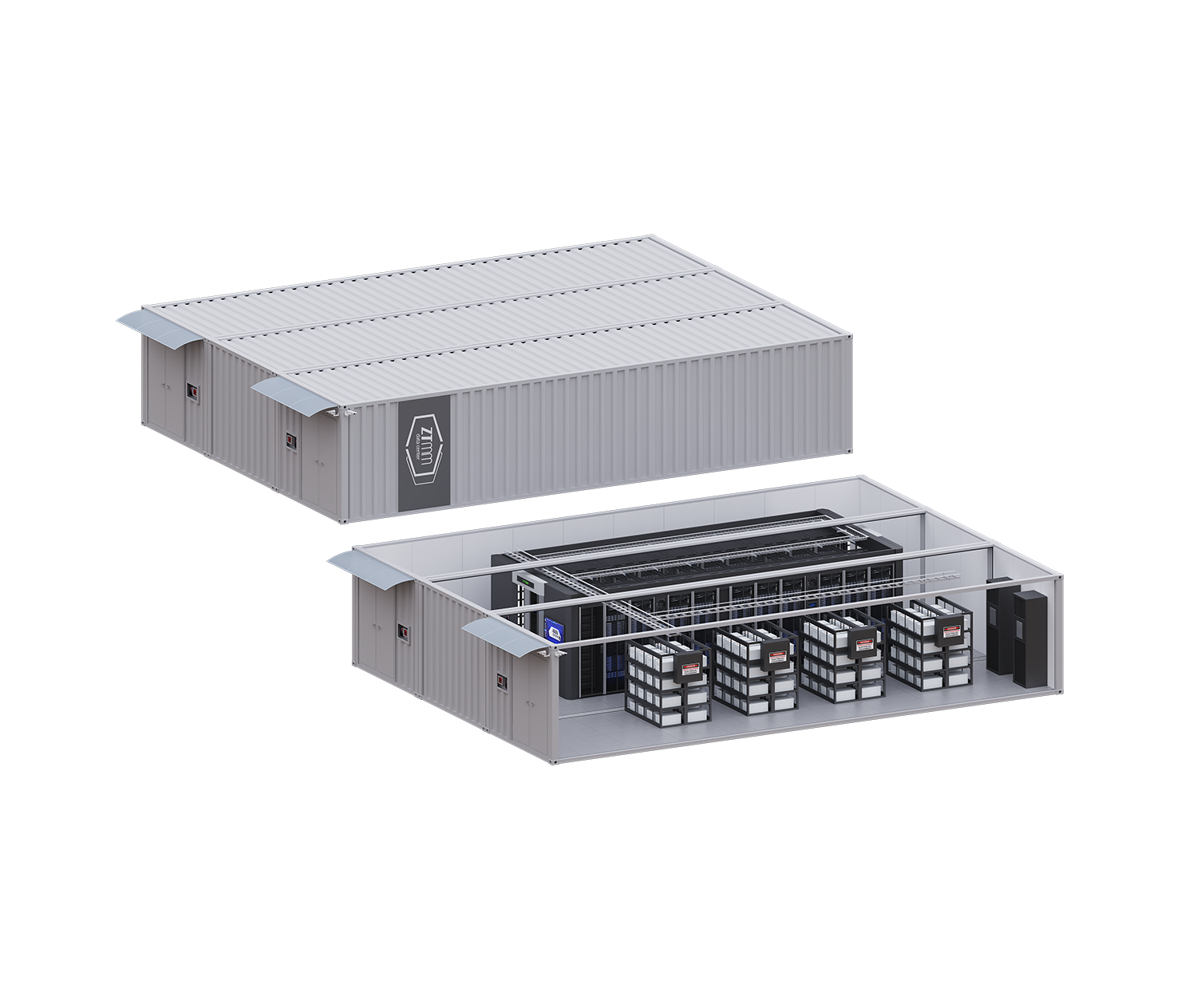
A:Modular data center solutions standardize power, cooling, IT rack, and monitoring systems into prefabricated, factory-built modules, enabling phased deployment and pay-as-you-grow scaling. Unlike traditional brick-and-mortar data centers with long design cycles and fixed capacity, modular solutions reduce deployment time from months to weeks, minimize on-site labor, and deliver consistent quality via factory assembly. They support flexible configurations including micro-modules, prefabricated data halls, and containerized units, adapting to edge, enterprise, and hyperscale use cases. With integrated DCIM and standardized interfaces, they simplify O&M, lower total cost of ownership, and support seamless expansion without disrupting live operations.
Q:How to choose between floor-mounted CDU and in-rack CDU for liquid cooling systems?
A:Floor-mounted CDUs (Coolant Distribution Units) are designed for medium-to-large data center halls, supporting high flow rates and centralized cooling distribution across multiple racks. They offer larger heat exchange capacity, flexible pipeline layout, and easy maintenance access, ideal for high-density AI clusters with 50kW+ per rack. In-rack CDUs are compact units installed inside or adjacent to server racks, delivering precise coolant distribution for individual racks with lower upfront investment. They suit small-scale deployments, retrofits, and edge sites with limited floor space. Both support closed-loop liquid cooling, compatible with cold plate and immersion systems, and integrate with DCIM for real-time flow, temperature, and pressure monitoring.
Q: What advantages does an integrated UPS power distribution panel offer?
A:An integrated UPS power distribution panel combines uninterruptible power supply and power distribution functions in a single cabinet, reducing footprint and simplifying on-site wiring compared to separate UPS and PDU setups. It delivers reliable power protection with built-in battery backup, overload protection, and surge suppression, ensuring continuous operation for critical IT loads during grid outages. With a compact, pre-wired design, it cuts installation time, minimizes cable loss, and improves energy efficiency. Available in modular configurations, it supports capacity upgrades without cabinet replacement. It also features integrated monitoring, compatible with DCIM platforms, for real-time visibility into voltage, current, battery status, and load level.
Q:What core values does a DCIM system bring to data center operations?
A:DCIM (Data Center Infrastructure Management) provides unified, real-time visibility across power, cooling, security, and IT infrastructure on a single platform. It monitors power usage effectiveness (PUE), rack-level load, cooling system status, and environmental parameters, helping operators identify energy waste and optimize efficiency. It supports capacity planning for power, space, and cooling, enabling data-driven expansion decisions. It also delivers automated alarm notifications for faults such as overheating, overload, and water leakage, reducing downtime risk. With asset management and workflow functions, it streamlines O&M processes, lowers labor costs, and supports remote management for multi-site data center fleets.
Q:Why are liquid-cooled racks preferred for high-density AI data centers?
A:Liquid-cooled racks deliver far higher heat dissipation capacity than traditional air-cooled racks, supporting power densities from 30kW up to 100kW+ per rack to match high-performance AI GPUs and training clusters. They use coolant to directly absorb heat from chips via cold plates, eliminating hot spots and lowering server operating temperatures for improved reliability and lifespan. Liquid cooling reduces fan power consumption, lowers overall PUE, and cuts data center energy costs. It also reduces noise levels compared to high-volume air cooling, improving O&M environments. Compatible with in-rack or floor-mounted CDUs, liquid-cooled racks integrate seamlessly with chilled water plants and modular data center architectures.

 EN
EN