
 EN
EN
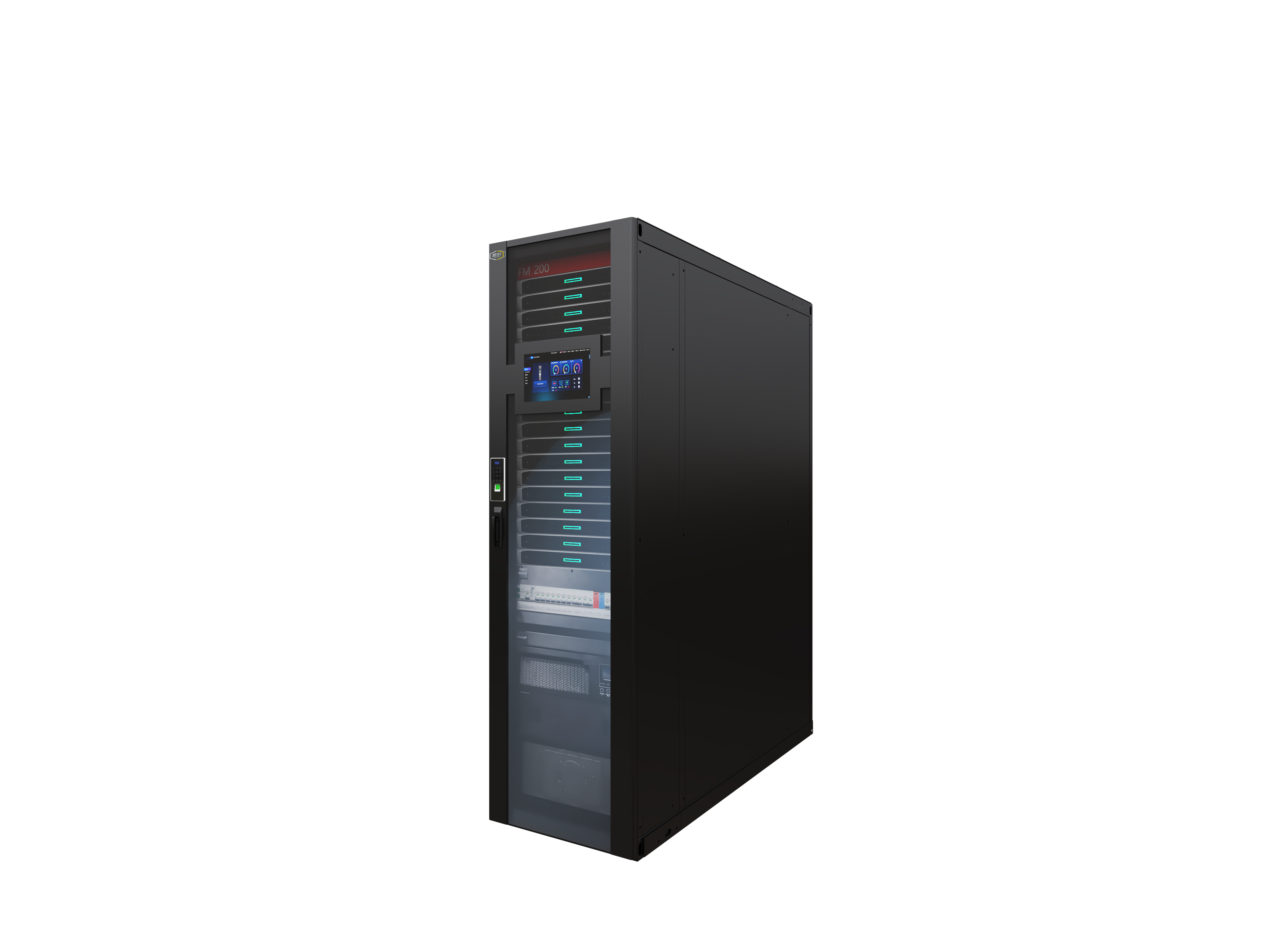
What Determines Commercial Micro Data Center Price?
The price of a commercial micro data center depends on multiple factors, including hardware configuration, cooling architecture, redundancy requirements, deployment environment, software features, and long-term operational needs.
Unlike traditional IT equipment purchases, a micro data center is an integrated infrastructure solution that combines computing, power, cooling, security, and monitoring systems. Therefore, the final cost is determined not only by the servers installed inside but also by the level of reliability, scalability, and environmental adaptability required.
Understanding these cost factors helps organizations select the right configuration without investing in unnecessary capacity.
Hardware Configuration and Computing Requirements
Hardware selection is one of the primary factors affecting micro data center pricing.
The number of servers, storage capacity, networking requirements, and computing performance directly influence the overall investment. Standard enterprise workloads may require relatively simple configurations, while AI, analytics, and high-performance applications usually require higher-density computing systems with additional power and cooling support.
Scalability planning also affects cost decisions. Some organizations prefer fully configured systems from the beginning, while others choose modular solutions that allow capacity expansion as business requirements grow.
Selecting hardware based on actual workloads rather than future assumptions helps balance performance requirements and infrastructure investment.
Cooling Architecture and Its Impact on Cost
Cooling design plays an important role in determining the price and performance of a micro data center.
Air-based cooling solutions are commonly used for standard enterprise workloads because they are familiar, easier to maintain, and suitable for many edge applications.
For higher-density computing environments, advanced cooling methods such as direct-to-chip liquid cooling or other liquid-based solutions may be considered. These approaches can provide improved thermal management for demanding workloads but usually require additional infrastructure planning and specialized components.
The appropriate cooling solution depends on factors such as rack density, operating environment, maintenance capability, and future expansion plans.
Redundancy Design and Reliability Requirements
Reliability requirements are another important factor influencing micro data center costs.
Different applications require different levels of redundancy:
- N configuration provides basic capacity without additional backup components.
- N+1 configuration adds backup capacity for critical systems and is commonly used when improved availability is required.
- 2N configuration duplicates critical power or cooling paths to provide higher levels of resilience.
Higher redundancy levels generally increase equipment requirements, system complexity, and installation costs.
For many commercial edge deployments, N+1 designs may provide a practical balance between reliability and investment. More advanced redundancy strategies are typically considered for applications where downtime has significant business or operational consequences.
Site Conditions and Deployment Environment
The deployment location can significantly influence the final micro data center price.
Pre-engineered units can simplify installation, but each site still requires evaluation of:
- Available power supply
- Network connectivity
- Physical installation conditions
- Environmental requirements
- Security considerations
Locations with challenging environments, such as outdoor sites, industrial facilities, or remote areas, may require additional protection features, including enhanced cooling, dust protection, corrosion resistance, or ruggedized enclosures.
Early site assessment helps ensure that the quoted solution matches actual deployment conditions and avoids unexpected modifications.
Software, Monitoring, and Lifecycle Considerations
Modern micro data centers often include software platforms for monitoring, management, and remote operation.
DCIM systems, remote monitoring tools, and service agreements can improve visibility and simplify management, especially when organizations operate multiple distributed locations.
However, these features also contribute to lifecycle costs. Buyers should evaluate not only the initial hardware investment but also software licensing, maintenance requirements, technical support, and future upgrades.
Considering total lifecycle requirements provides a more accurate understanding of long-term infrastructure costs.
How to Get an Accurate Micro Data Center Quote
Because micro data center pricing varies significantly depending on application requirements, there is no universal price standard.
Before requesting a quotation, customers should prepare key information, including:
- Required IT capacity
- Server and storage requirements
- Cooling preferences
- Redundancy expectations
- Deployment location
- Environmental conditions
- Future expansion plans
With these details, suppliers can recommend a suitable configuration and provide a more accurate cost estimate.
A well-designed micro data center solution focuses not only on initial price but also on reliability, scalability, and long-term operational value.
FAQ
What factors affect commercial micro data center price?
The main factors include hardware configuration, computing requirements, cooling design, redundancy level, site conditions, software features, and lifecycle services.
Are liquid-cooled micro data centers more expensive?
Liquid cooling solutions may require additional infrastructure and specialized components, which can increase initial investment. However, they may provide advantages for high-density computing environments.
Is a higher redundancy level always better?
Not necessarily. The appropriate redundancy design depends on business requirements, availability expectations, and the consequences of downtime.
Why do micro data center prices vary between suppliers?
Different suppliers may offer different combinations of hardware, cooling systems, enclosure designs, monitoring platforms, and service levels, leading to variations in pricing.
How can customers reduce unnecessary micro data center costs?
The best approach is to match infrastructure configuration with actual workload requirements, avoid excessive over-provisioning, and select scalability options based on future growth plans.
Table of Contents
- What Determines Commercial Micro Data Center Price?
- Hardware Configuration and Computing Requirements
- Cooling Architecture and Its Impact on Cost
- Redundancy Design and Reliability Requirements
- Site Conditions and Deployment Environment
- Software, Monitoring, and Lifecycle Considerations
- How to Get an Accurate Micro Data Center Quote
- FAQ
- What factors affect commercial micro data center price?
- Are liquid-cooled micro data centers more expensive?
- Is a higher redundancy level always better?
- Why do micro data center prices vary between suppliers?
- How can customers reduce unnecessary micro data center costs?