
 EN
EN
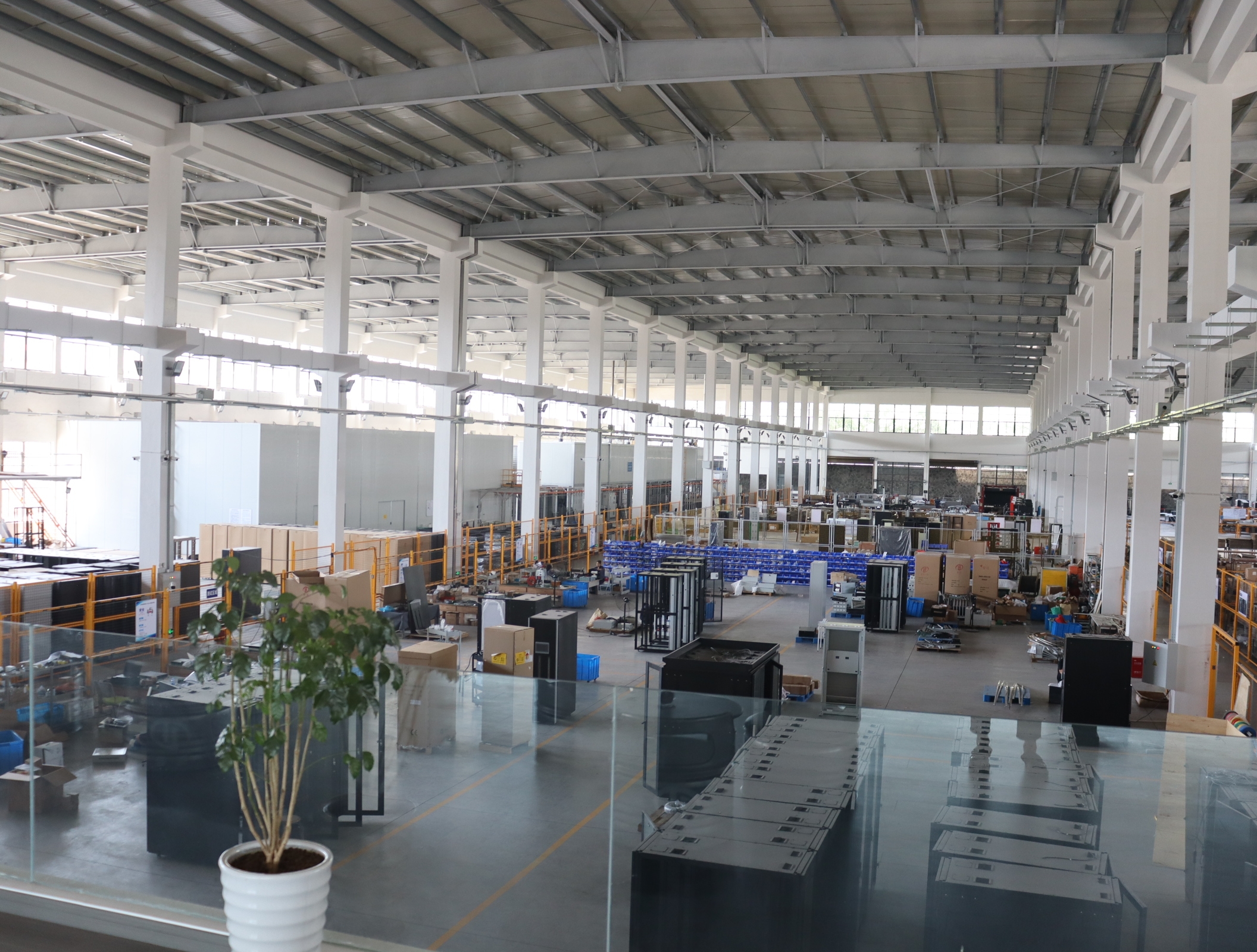
Off-Site Manufacturing and Standardized Assembly Improve Data Center Deployment Efficiency
Modular data center vendors accelerate infrastructure deployment by shifting a significant portion of construction activities from the traditional job site to controlled factory environments. While site preparation and utility planning take place, manufacturers can simultaneously assemble power, cooling, and IT infrastructure modules in parallel.
This factory-based approach helps reduce onsite construction complexity, improve quality consistency, and shorten project schedules compared with conventional data center builds. By using standardized designs, reusable components, and repeatable manufacturing processes, modular data center providers can reduce engineering duplication, minimize onsite labor requirements, and limit delays caused by weather or complex coordination between multiple construction teams.
The result is a more predictable delivery process where factory-built modules can be integrated into operational environments with fewer onsite activities. This approach is particularly valuable for organizations that require flexible capacity expansion, edge infrastructure deployment, or faster access to computing resources.
Pre-Engineered, Factory-Integrated Systems Reduce Deployment Complexity
Pre-engineered modular data center systems integrate critical infrastructure components, including power distribution, cooling systems, and IT equipment, into a factory-tested solution.
Unlike traditional construction methods that require extensive onsite design coordination and sequential installation, prefabricated systems allow many engineering decisions to be completed before delivery. Factory testing helps identify configuration issues earlier and improves deployment reliability.
After transportation to the deployment location, the remaining work typically focuses on site integration, utility connections, network configuration, and final operational validation.
By reducing onsite design changes and installation complexity, factory-integrated systems help organizations achieve a smoother transition from construction to operation.
Data Center-as-a-Service (DCaaS) for Flexible Infrastructure Delivery
Modular data center vendors are increasingly supporting Data Center-as-a-Service (DCaaS) models, allowing organizations to access infrastructure through a service-based approach rather than managing every stage of construction independently.
Under a DCaaS model, vendors may take responsibility for areas such as design, manufacturing, installation, and ongoing infrastructure management. Some agreements include service-level commitments related to deployment schedules, availability, and operational support.
This approach allows businesses to reduce internal project management requirements and access scalable computing capacity without making the same level of upfront infrastructure investment required for traditional facilities.
By combining factory-controlled manufacturing with standardized deployment processes, DCaaS models help reduce common project challenges associated with onsite construction, including coordination complexity, labor availability, and infrastructure planning.
Phased and Full Deployment Strategies for Different Business Requirements
Modular data center vendors typically provide different deployment strategies based on project size, operational requirements, and investment plans.
A full deployment approach delivers a complete modular facility as an integrated solution, providing simplified project management and a single point of responsibility. This approach is suitable for organizations that need dedicated infrastructure with minimal integration effort.
A phased deployment strategy allows companies to add capacity gradually based on actual demand. Instead of building all infrastructure at once, organizations can expand power, cooling, and IT capacity in stages.
This approach helps align infrastructure investment with business growth, reduces the risk of unused capacity, and provides greater flexibility for long-term expansion projects.
Edge Infrastructure Deployment with Factory-Built Modular Solutions
Edge computing requires infrastructure that can be deployed closer to users, devices, and operational environments. Modular data center solutions support edge deployments by providing compact, factory-built infrastructure that can be installed in distributed locations.
Because key systems are assembled and tested before delivery, edge modules can reduce onsite construction requirements and simplify deployment in locations where traditional data center construction may be difficult.
Common edge applications include:
- Telecommunications networks
- Industrial facilities
- Retail locations
- Remote offices
- Distributed enterprise infrastructure
Remote monitoring and management capabilities also allow organizations to operate distributed modular infrastructure as part of broader hybrid cloud environments.
Frequently Asked Questions
What are prefabricated modular data centers?
Prefabricated modular data centers are factory-built infrastructure solutions that integrate power, cooling, IT equipment, and monitoring systems into standardized modules. They help simplify deployment and reduce onsite construction requirements.
How do prefabricated systems improve deployment?
Prefabricated systems improve deployment by moving much of the engineering, assembly, and testing process into controlled manufacturing environments. This reduces onsite complexity and helps create a more predictable delivery process.
What is Data Center-as-a-Service (DCaaS)?
DCaaS is an infrastructure delivery model where providers manage some or all aspects of data center deployment and operation. It enables organizations to access computing infrastructure through flexible service agreements.
How do modular data centers support urgent capacity requirements?
Modular data centers support rapid capacity expansion through standardized designs, factory-based manufacturing, and flexible deployment strategies. Organizations can add infrastructure based on changing operational needs.
What are edge deployments in modular data centers?
Edge deployments use compact, distributed data center solutions placed closer to users or business operations. Modular infrastructure helps organizations deploy computing resources in locations where traditional data center construction may not be practical.
Table of Contents
- Off-Site Manufacturing and Standardized Assembly Improve Data Center Deployment Efficiency
- Pre-Engineered, Factory-Integrated Systems Reduce Deployment Complexity
- Data Center-as-a-Service (DCaaS) for Flexible Infrastructure Delivery
- Phased and Full Deployment Strategies for Different Business Requirements
- Edge Infrastructure Deployment with Factory-Built Modular Solutions
- Frequently Asked Questions
- What are prefabricated modular data centers?
- How do prefabricated systems improve deployment?
- What is Data Center-as-a-Service (DCaaS)?
- How do modular data centers support urgent capacity requirements?
- What are edge deployments in modular data centers?