Data Center Power Redundancy Solutions | 99.999% Uptime

Ensuring Uninterrupted Operations with Data Center Power Redundancy

Ensuring Uninterrupted Operations with Data Center Power Redundancy

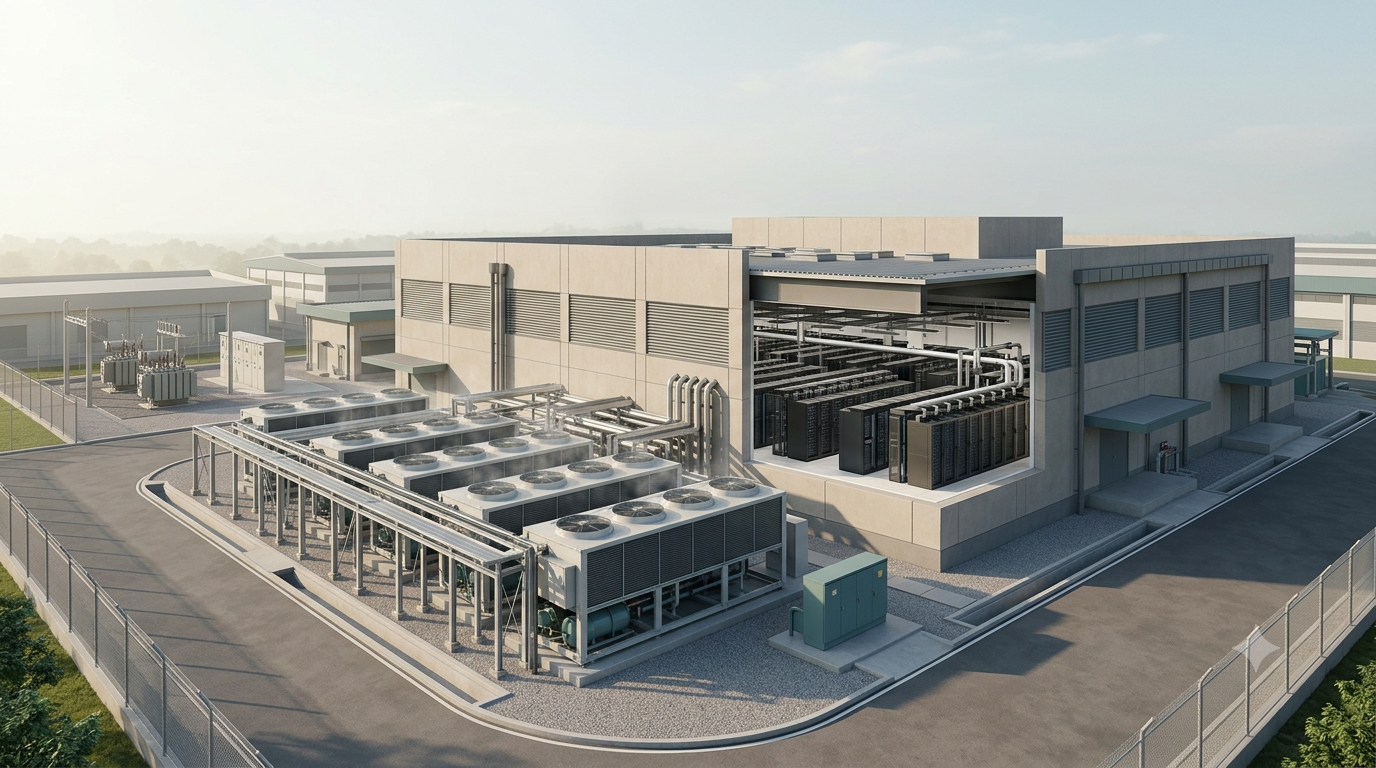
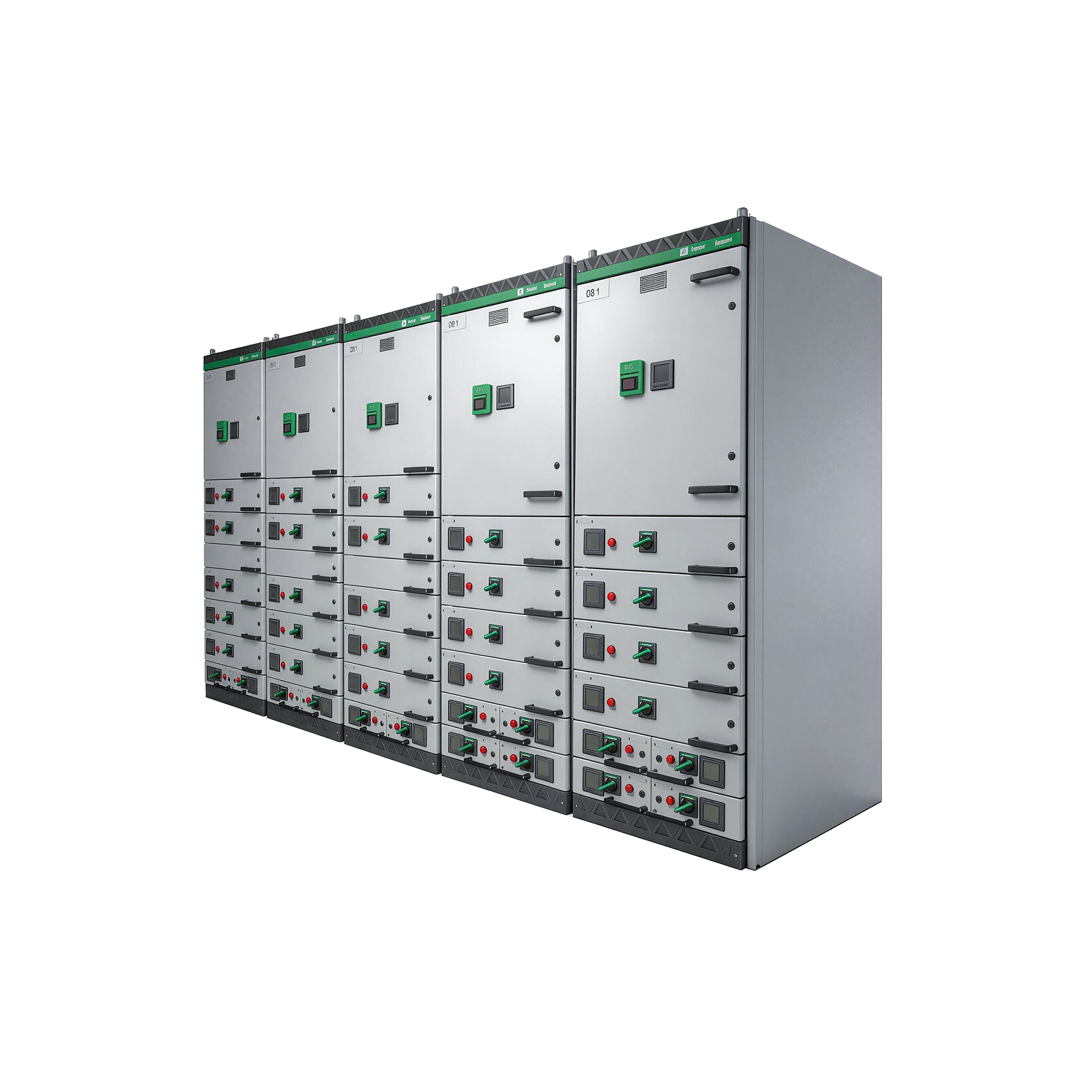
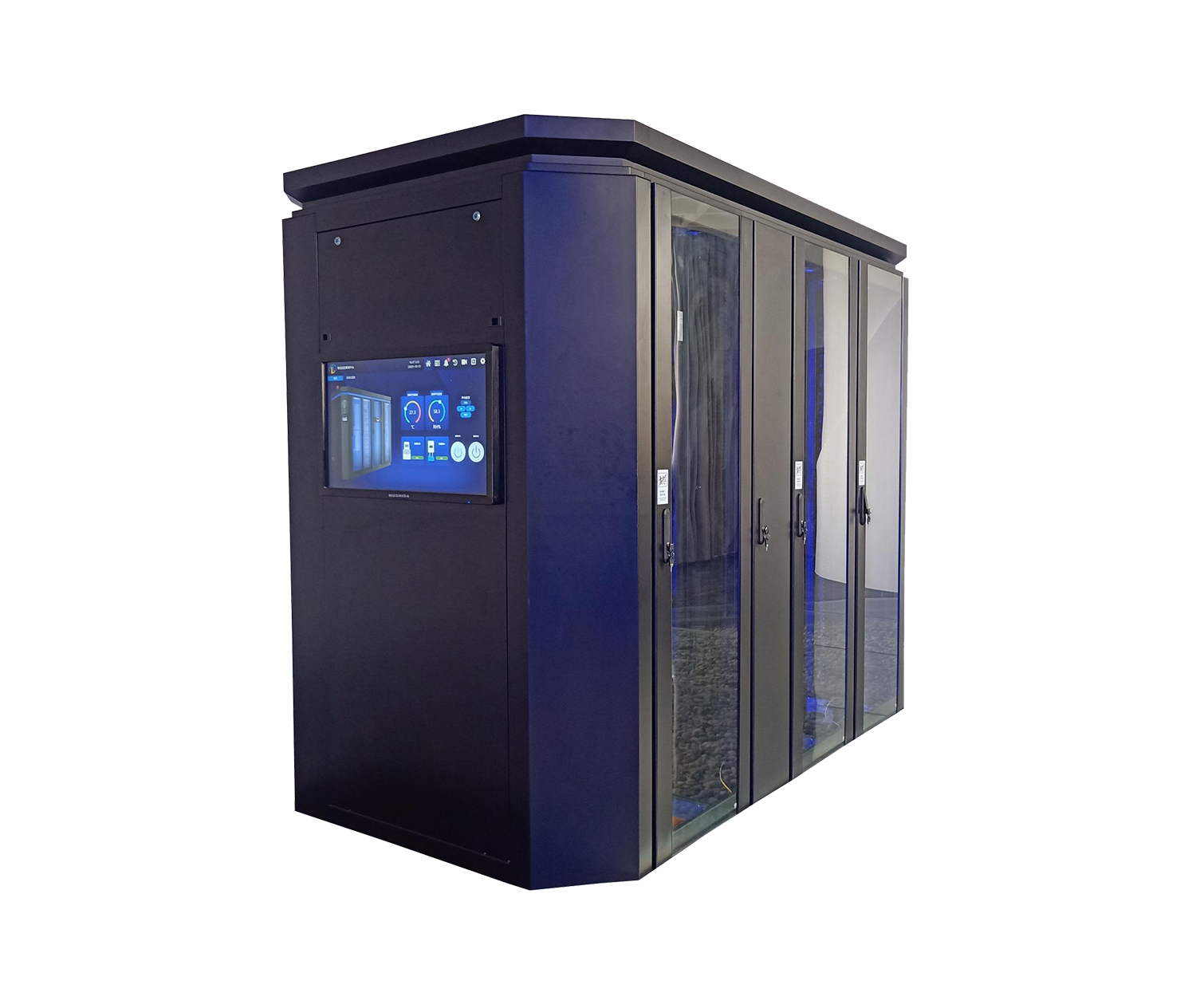
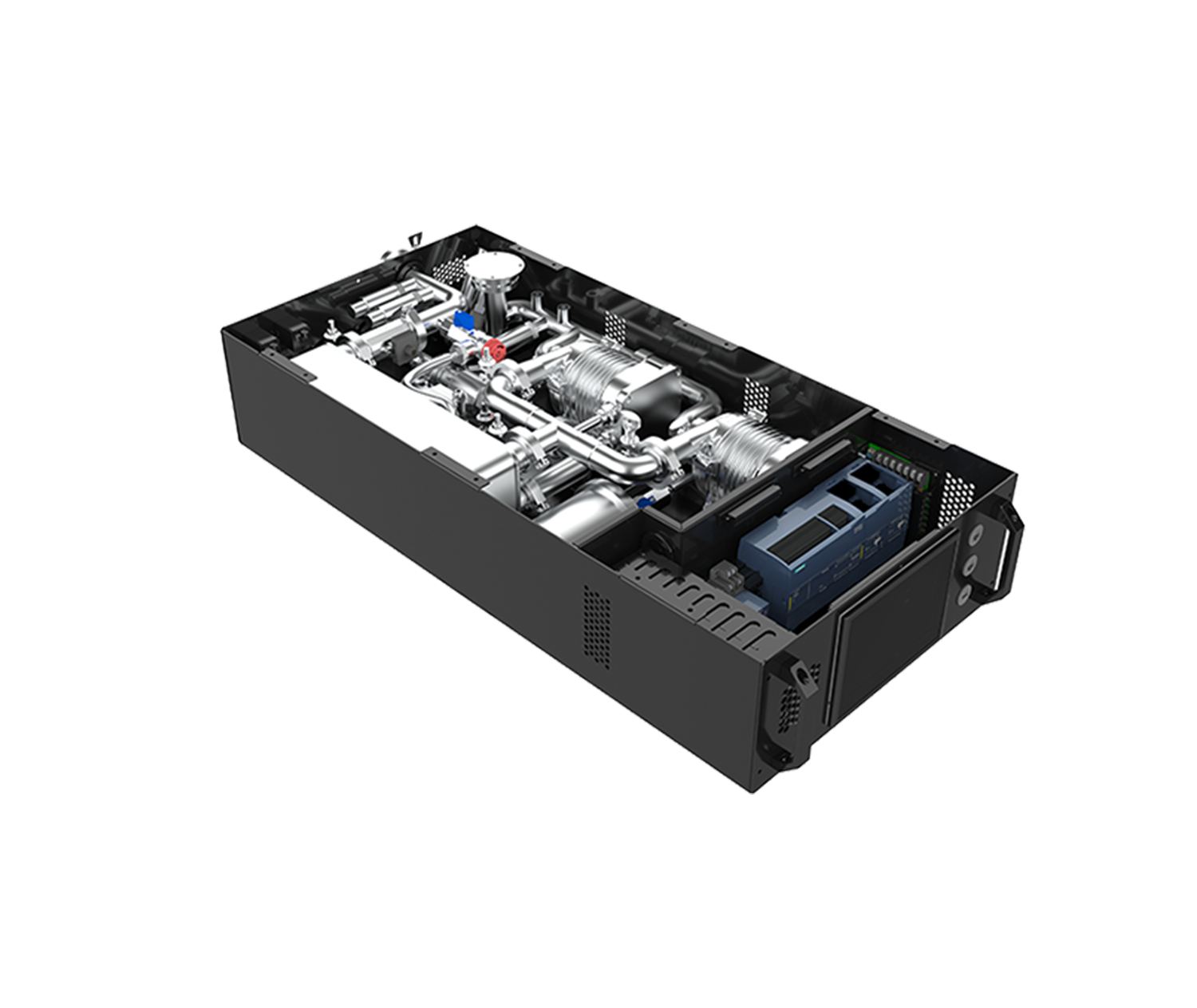
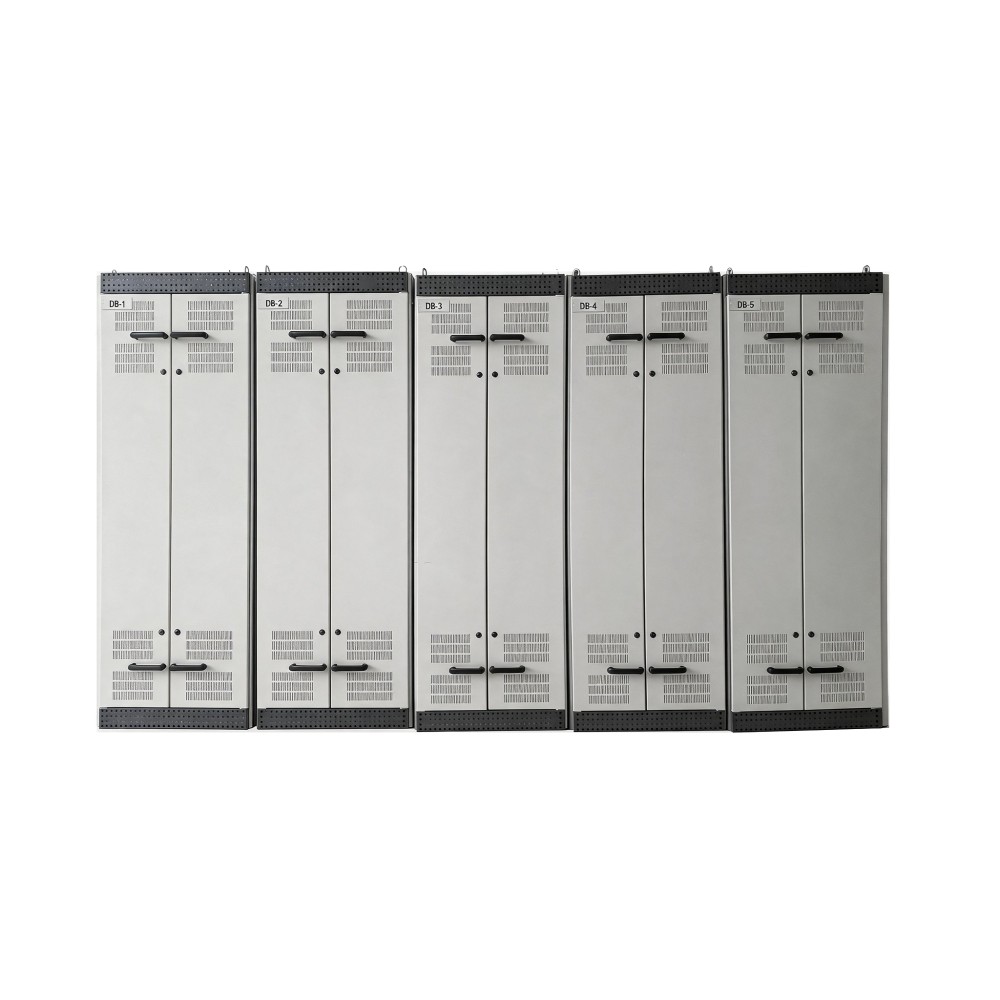
In today’s digital landscape, data centers are the backbone of businesses, necessitating robust power redundancy solutions to ensure uninterrupted operations. Data Center Power Redundancy refers to the strategic implementation of backup power systems to safeguard against outages, ensuring that computing resources remain operational at all times. Our innovative approach to data center infrastructure focuses on integrating advanced power redundancy mechanisms that enhance reliability and performance. By adopting these solutions, organizations can mitigate risks associated with power failures, thus fostering a resilient digital environment. Our commitment to leveraging cutting-edge technology empowers clients to optimize their data center operations, enabling sustainable growth and efficiency. The critical nature of power redundancy cannot be overstated, as it directly impacts service availability and operational continuity.
Get A Quote

Advantages of the product

Enhanced Reliability

Implementing Data Center Power Redundancy significantly boosts overall system reliability. By integrating multiple power sources and backup systems, organizations can ensure that their operations remain uninterrupted even during power outages. This level of reliability is crucial for businesses that rely heavily on continuous data access and processing. With advanced monitoring and management systems, potential power issues can be identified and resolved proactively, further minimizing downtime and enhancing user confidence in the services provided.

Cost Efficiency

While the initial investment in power redundancy solutions may seem substantial, the long-term cost savings are undeniable. By preventing outages and minimizing downtime, organizations can avoid the significant financial losses associated with service interruptions. Furthermore, efficient power management systems can lead to reduced energy consumption, translating into lower utility bills. The ability to maintain operations without interruption also means that businesses can focus on growth and innovation rather than dealing with the fallout from power failures.

Scalability and Flexibility

Data Center Power Redundancy solutions are designed to be scalable and flexible, accommodating the evolving needs of modern businesses. As organizations grow and their data demands increase, our power redundancy systems can be easily expanded or adjusted to match these requirements. This adaptability ensures that businesses can maintain optimal performance levels without the need for extensive overhauls or significant additional investments. By choosing scalable solutions, organizations can future-proof their data centers against changing technology landscapes and business needs.

Related products

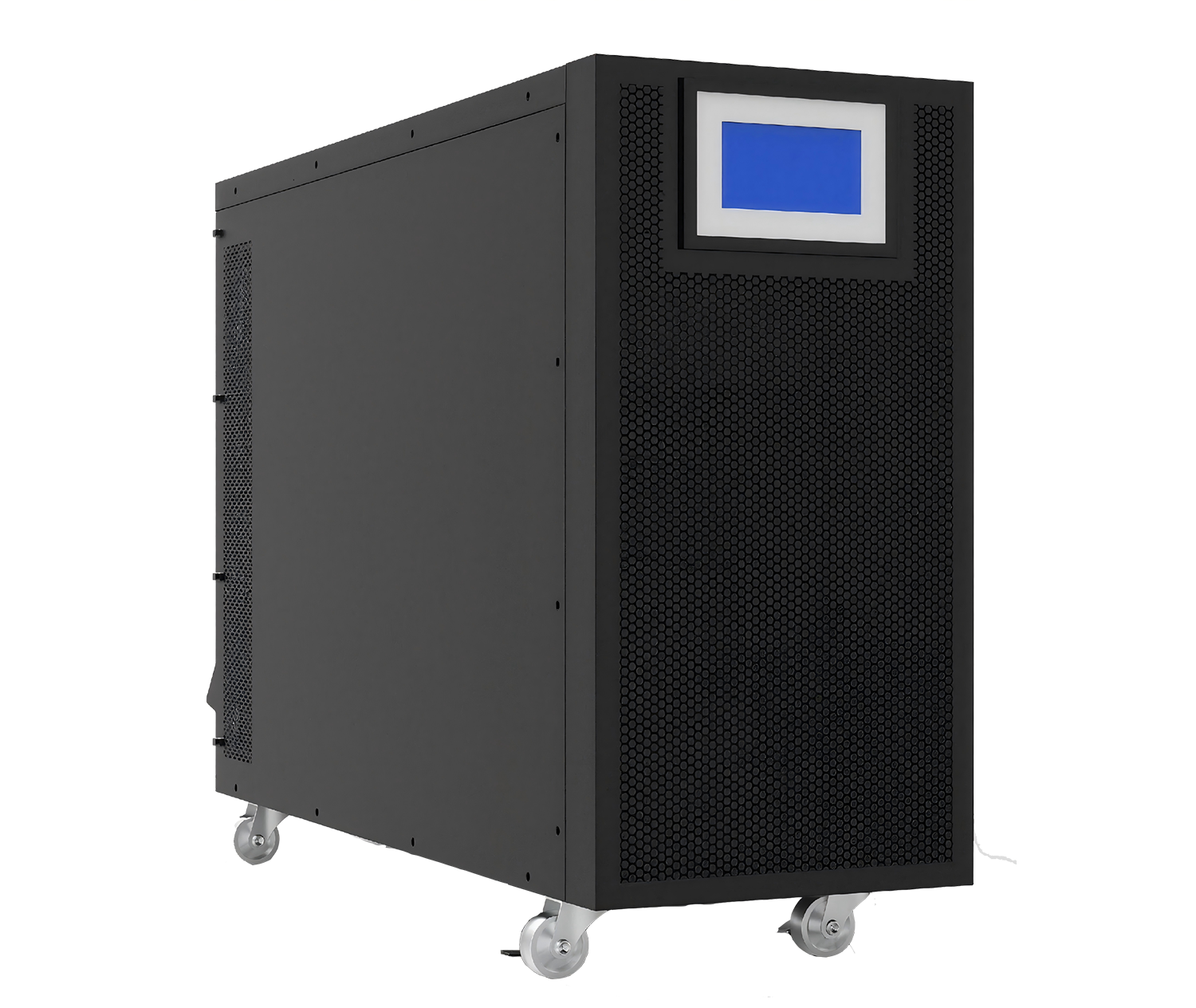
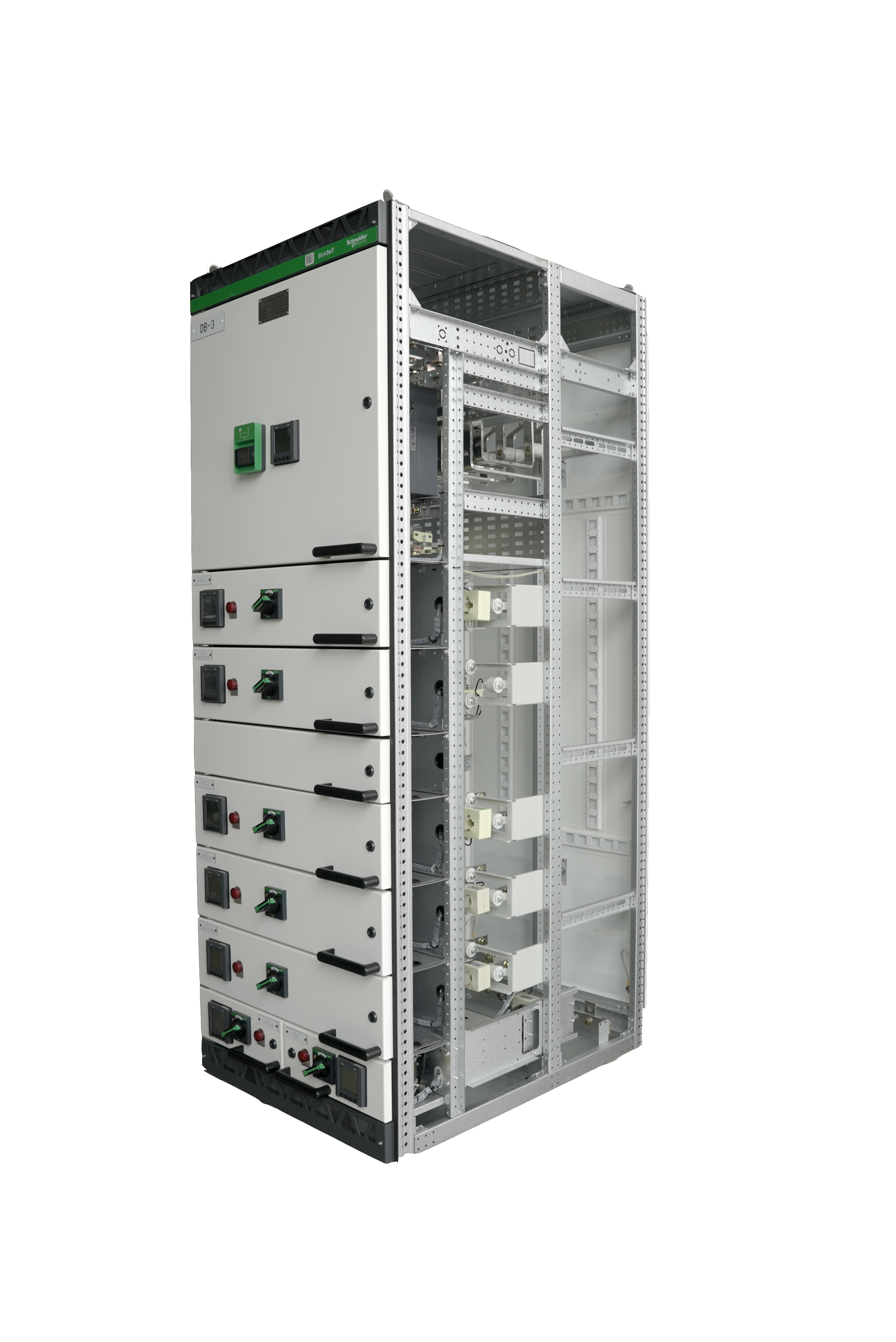
Data Center Power Redundancy is a critical aspect of modern IT infrastructure, especially as the reliance on digital operations increases. The concept revolves around ensuring that power supply to data centers is not only reliable but also resilient against potential disruptions. In a world where downtime can lead to significant financial losses and reputational damage, implementing robust power redundancy measures is essential. This includes utilizing uninterruptible power supplies (UPS), backup generators, and diverse power feeds to create a multi-layered approach to power management. Each layer of redundancy serves as a safeguard, providing additional assurance that operations will continue smoothly, regardless of external conditions. Moreover, the integration of smart monitoring systems allows organizations to track power usage and predict potential failures before they occur, enabling proactive maintenance and management. This level of foresight not only enhances operational efficiency but also contributes to overall sustainability efforts by optimizing energy consumption and reducing waste. As businesses navigate the complexities of digital transformation, prioritizing power redundancy within data center strategies is imperative for long-term success.
Frequently Questions

What is Data Center Power Redundancy?

Data Center Power Redundancy refers to the implementation of backup power systems within data centers to ensure continuous operations during power outages. This involves using multiple power sources, such as uninterruptible power supplies (UPS) and backup generators, to prevent downtime and maintain service availability. By establishing a reliable power infrastructure, organizations can mitigate the risks associated with power failures, ensuring that their critical systems remain operational at all times.
Power redundancy is crucial for data centers as it directly impacts operational continuity and service reliability. In an era where businesses depend heavily on uninterrupted access to data and applications, any power disruption can lead to significant financial losses and damage to reputation. Implementing effective power redundancy measures ensures that data centers can withstand outages, thus safeguarding against potential downtime and enhancing overall business resilience.
While investing in power redundancy solutions may require upfront capital, the long-term savings can be substantial. By preventing outages and minimizing downtime, businesses can avoid the costly repercussions associated with service interruptions. Moreover, efficient power management systems can lead to reduced energy consumption, lowering utility costs. This financial efficiency allows organizations to allocate resources more effectively towards growth and innovation.
There are various types of power redundancy systems available, including uninterruptible power supplies (UPS), backup generators, and multiple power feeds from different sources. Each system plays a vital role in ensuring that data centers have a reliable and continuous power supply. The choice of systems often depends on the specific needs of the organization, including the scale of operations and the criticality of the services provided.

Related article

How to Improve Modular Data Center Efficiency: 7 Proven Strategies for Faster, Greener, and Scalable Infrastructure

09

Jul

How to Improve Modular Data Center Efficiency: 7 Proven Strategies for Faster, Greener, and Scalable Infrastructure

View More
Cooling AI Data Centers in the Tropics: Five Design Challenges That Cannot Be Ignored

29

Jul

Cooling AI Data Centers in the Tropics: Five Design Challenges That Cannot Be Ignored

View More
Modular Data Center Cooling Options: An Overview

06

Aug

Modular Data Center Cooling Options: An Overview

What Is Modular Data Center Cooling? Cooling is a critical part of modular data center design because IT equipment continuously generates heat during operation. Unlike traditional data centers that are usually built around fixed cooling infrastructur...
View More
What EPC Contractors Need to Know About Modular Data Centers

07

Aug

What EPC Contractors Need to Know About Modular Data Centers

Why EPC Contractors Are Adopting Modular Data Center Delivery The growth of cloud computing, edge infrastructure, and high-performance applications has increased demand for faster and more flexible data center construction methods. For EPC contractor...
View More

Customer Testimonials

John Smith
Exceptional Reliability and Performance

Our organization has experienced a significant reduction in downtime since implementing the power redundancy solutions. The reliability and performance have exceeded our expectations, allowing us to focus on our core business without worrying about power interruptions.

Emily Johnson
Cost-Effective and Scalable

The investment in power redundancy has proven to be cost-effective in the long run. Not only have we saved on potential losses from downtime, but the scalability of the solutions allows us to grow without worrying about our power supply needs.

Get a Free Quote

Our representative will contact you soon.
Email
Name
Company Name
Message
0/1000
Robust Backup Systems

Robust Backup Systems

Our power redundancy solutions feature robust backup systems that ensure uninterrupted operations. By integrating multiple power sources, including UPS and generators, we provide a comprehensive safety net against power failures. This multi-layered approach enhances reliability and gives businesses peace of mind, knowing that their data centers are equipped to handle potential disruptions. Additionally, our advanced monitoring systems allow for proactive management, ensuring that any power issues are addressed before they impact operations. This commitment to reliability is a cornerstone of our approach to data center infrastructure, enabling organizations to focus on their core activities without the constant worry of power outages.
Future-Proof Infrastructure

Future-Proof Infrastructure

The scalability of our power redundancy solutions ensures that they can adapt to the evolving needs of modern businesses. As organizations grow and their data demands increase, our systems can be easily expanded to accommodate these changes. This flexibility not only protects investments but also ensures that businesses can maintain optimal performance levels without extensive overhauls. By choosing solutions that are designed with future growth in mind, organizations can navigate the complexities of digital transformation confidently.
Comprehensive Energy Management

Comprehensive Energy Management

Our power redundancy solutions are not just about backup systems; they also focus on comprehensive energy management. By optimizing power consumption and integrating smart monitoring technologies, businesses can achieve significant energy savings while maintaining high levels of service availability. This commitment to sustainability not only reduces operational costs but also supports broader environmental goals, making our solutions a responsible choice for organizations looking to enhance their digital infrastructure. By prioritizing energy efficiency alongside reliability, we help businesses thrive in an increasingly competitive landscape.