
 EN
EN
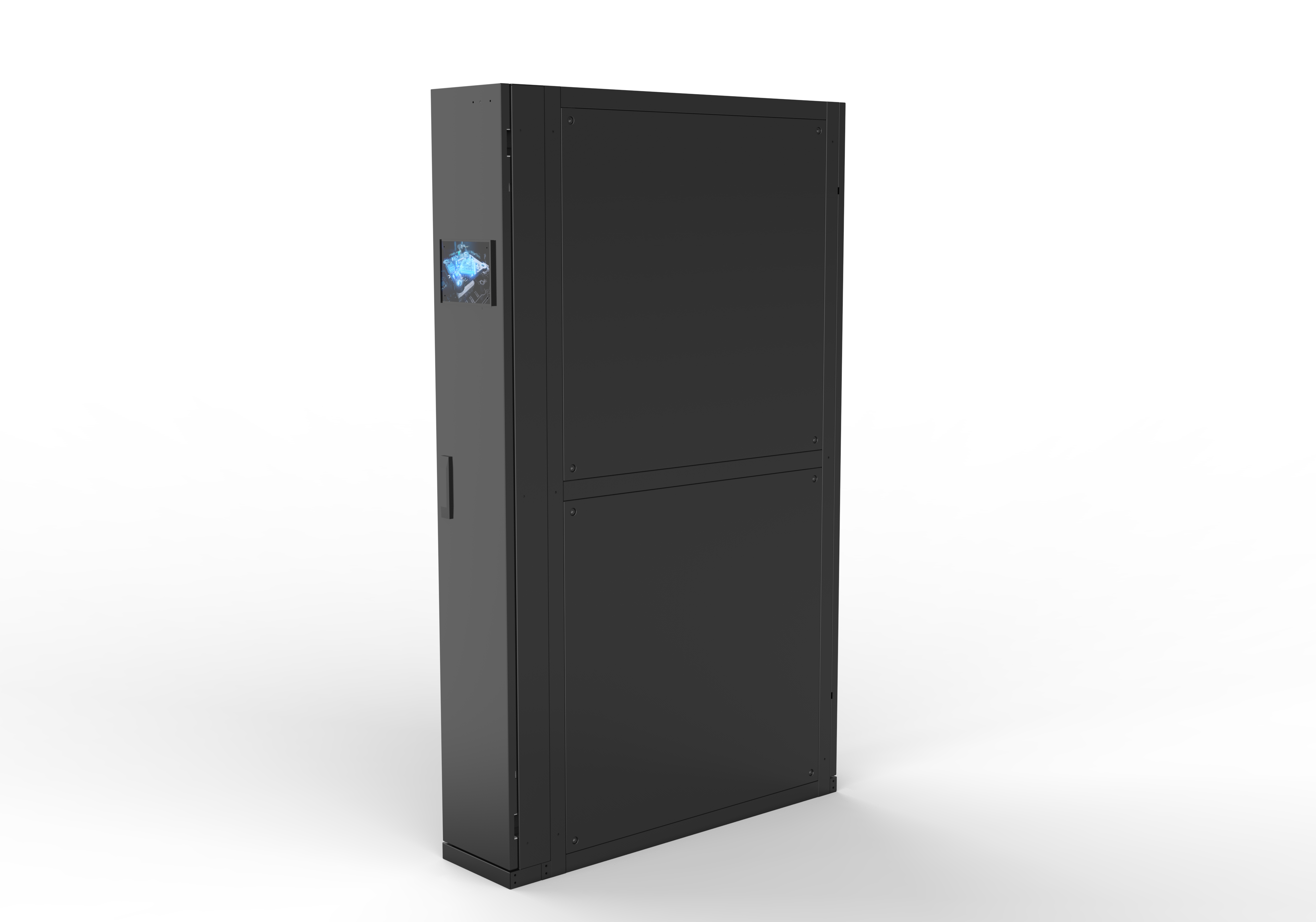
What Is Modular Data Center Cooling?
Cooling is a critical part of modular data center design because IT equipment continuously generates heat during operation. Unlike traditional data centers that are usually built around fixed cooling infrastructure, modular data centers require flexible thermal management solutions that can adapt to different deployment environments and changing IT requirements.
A modular data center cooling system integrates cooling equipment with the overall infrastructure design. Depending on workload requirements, solutions may include precision air cooling, liquid cooling, or hybrid cooling approaches. These systems work together with power distribution, server racks, monitoring platforms, and environmental controls to maintain stable operating conditions.
One of the key advantages of modular cooling is that it allows cooling capacity to be planned together with IT capacity. Instead of installing large centralized cooling systems in advance, organizations can deploy cooling resources according to actual computing needs and expand them as requirements grow.
This approach helps improve deployment flexibility and makes modular data centers suitable for applications such as edge computing, enterprise infrastructure, remote locations, and high-performance computing environments.
Main Cooling Technologies Used in Modular Data Centers
Modular data centers commonly use several cooling approaches depending on equipment density, environmental conditions, and operational goals.
Precision air cooling remains one of the most widely used solutions. Technologies such as in-row cooling, rear-door heat exchangers, and enclosed cabinet systems bring cooling closer to IT equipment compared with traditional room-based cooling designs.
In-row cooling units are installed between server racks and deliver cooling close to the heat source. Rear-door heat exchangers capture heat from server exhaust before it spreads into the surrounding environment. Air containment solutions, including hot-aisle and cold-aisle designs, improve airflow management by separating hot and cold air streams.
These air-based solutions are suitable for many enterprise and edge computing applications because they are familiar, reliable, and relatively easy to maintain.
For higher-density computing environments, liquid cooling is becoming increasingly important. Direct-to-chip cooling transfers heat from processors through liquid-based cooling systems, while immersion cooling uses specially designed fluids to remove heat from IT equipment.
Liquid cooling can provide advantages for applications with demanding thermal requirements, including artificial intelligence, high-performance computing, and advanced server platforms. However, it usually requires additional planning for fluid management, maintenance procedures, and equipment compatibility.
Hybrid cooling combines air and liquid technologies to provide a flexible approach. For example, standard IT equipment may use air cooling while higher-density servers use liquid cooling within the same modular environment.
Benefits and Applications of Modular Data Center Cooling
The main benefit of modular cooling is improved flexibility. Since cooling systems can be integrated into prefabricated modules, organizations can deploy infrastructure with fewer onsite construction requirements compared with traditional data center projects.
Modular cooling solutions are also useful for phased expansion. Businesses can add additional cooling capacity as computing requirements increase instead of building oversized systems from the beginning.
This approach is valuable across multiple industries.
In telecommunications and edge computing, modular cooling supports distributed infrastructure located closer to users and connected devices. It helps maintain stable operating conditions in environments where space and deployment flexibility are important.
In manufacturing and industrial applications, cooling solutions support local computing systems used for automation, monitoring, and data processing.
For remote operations, energy projects, research environments, and temporary facilities, modular cooling provides a practical way to establish reliable computing infrastructure without requiring a permanent data center building.
As AI and high-performance computing continue to develop, cooling design becomes increasingly important. High-density workloads may require advanced cooling technologies to maintain performance and equipment reliability.
How to Choose the Right Modular Data Center Cooling Solution
Selecting a suitable cooling solution depends on several factors, including IT equipment type, rack density, deployment environment, expansion plans, and operational requirements.
Air cooling may be suitable for standard enterprise workloads and environments where simplicity and maintenance convenience are priorities.
Liquid cooling may be considered for applications requiring higher thermal performance, especially when using high-performance processors or accelerated computing systems.
Organizations should also evaluate factors such as:
- Cooling scalability
- Maintenance requirements
- Energy efficiency
- Equipment compatibility
- Deployment environment
- Long-term operational plans
There is no single cooling method that fits every modular data center. The best approach depends on the specific workload and infrastructure objectives.
By integrating cooling design with modular infrastructure planning, organizations can achieve more flexible deployment, improved operational stability, and better support for future IT growth.
Frequently Asked Questions
Why is cooling important for modular data centers?
Cooling maintains suitable operating conditions for IT equipment and helps ensure reliable performance. Modular data centers require cooling solutions that can adapt to different environments and workload requirements.
What cooling technologies are used in modular data centers?
Common solutions include precision air cooling, liquid cooling, and hybrid cooling systems. The appropriate choice depends on equipment density and application requirements.
Is liquid cooling better than air cooling?
Liquid cooling can provide advantages for high-density computing environments, while air cooling remains suitable for many traditional IT workloads. The best choice depends on specific operational needs.
Can modular cooling systems be expanded?
Yes. One advantage of modular cooling is that capacity can be planned and expanded according to changing IT requirements.
Which industries use modular data center cooling?
Industries including telecommunications, manufacturing, energy, research, and enterprise IT use modular cooling solutions to support flexible computing infrastructure.