Optimize Your Data Center with Cold Aisle Containment Solutions
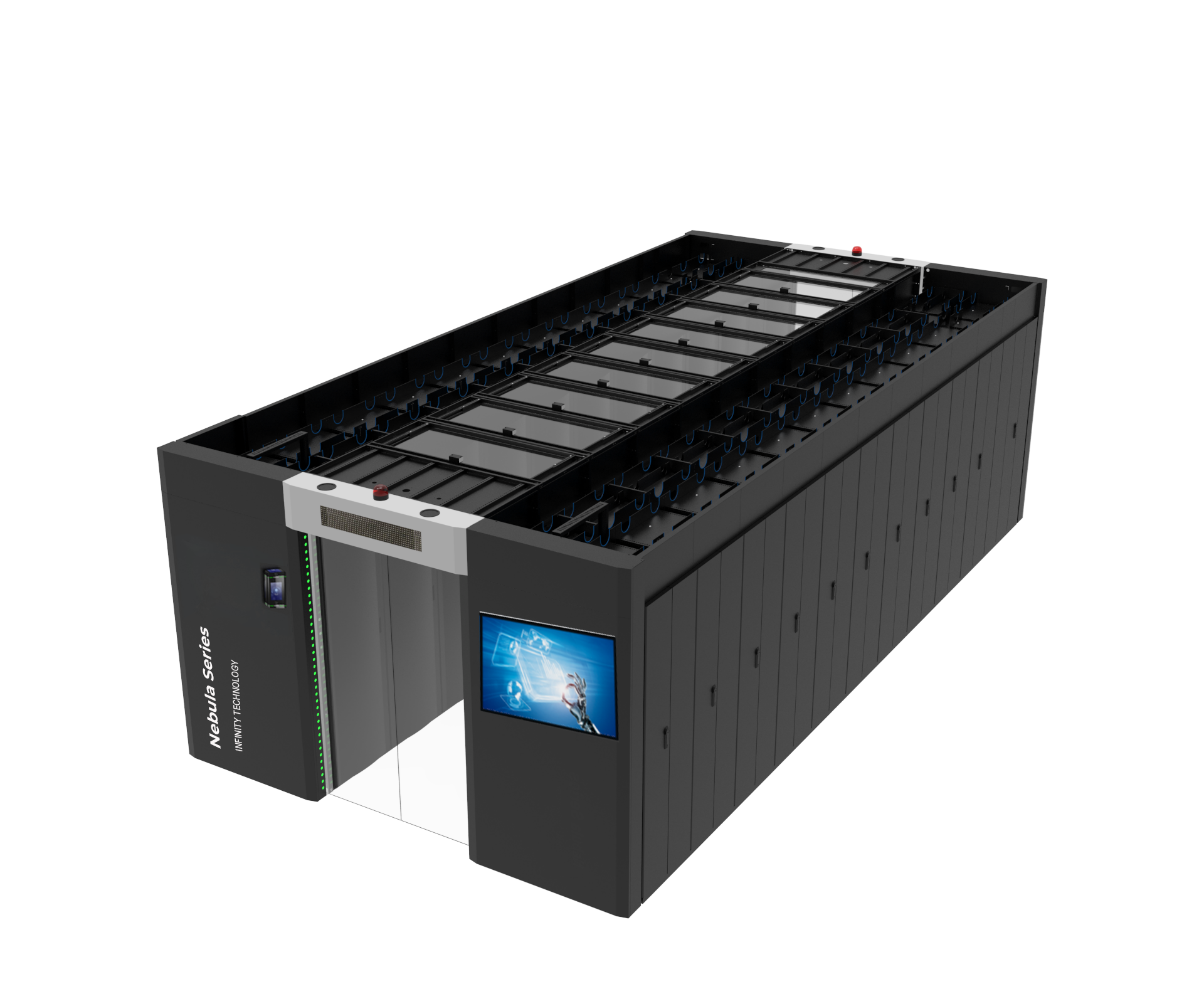
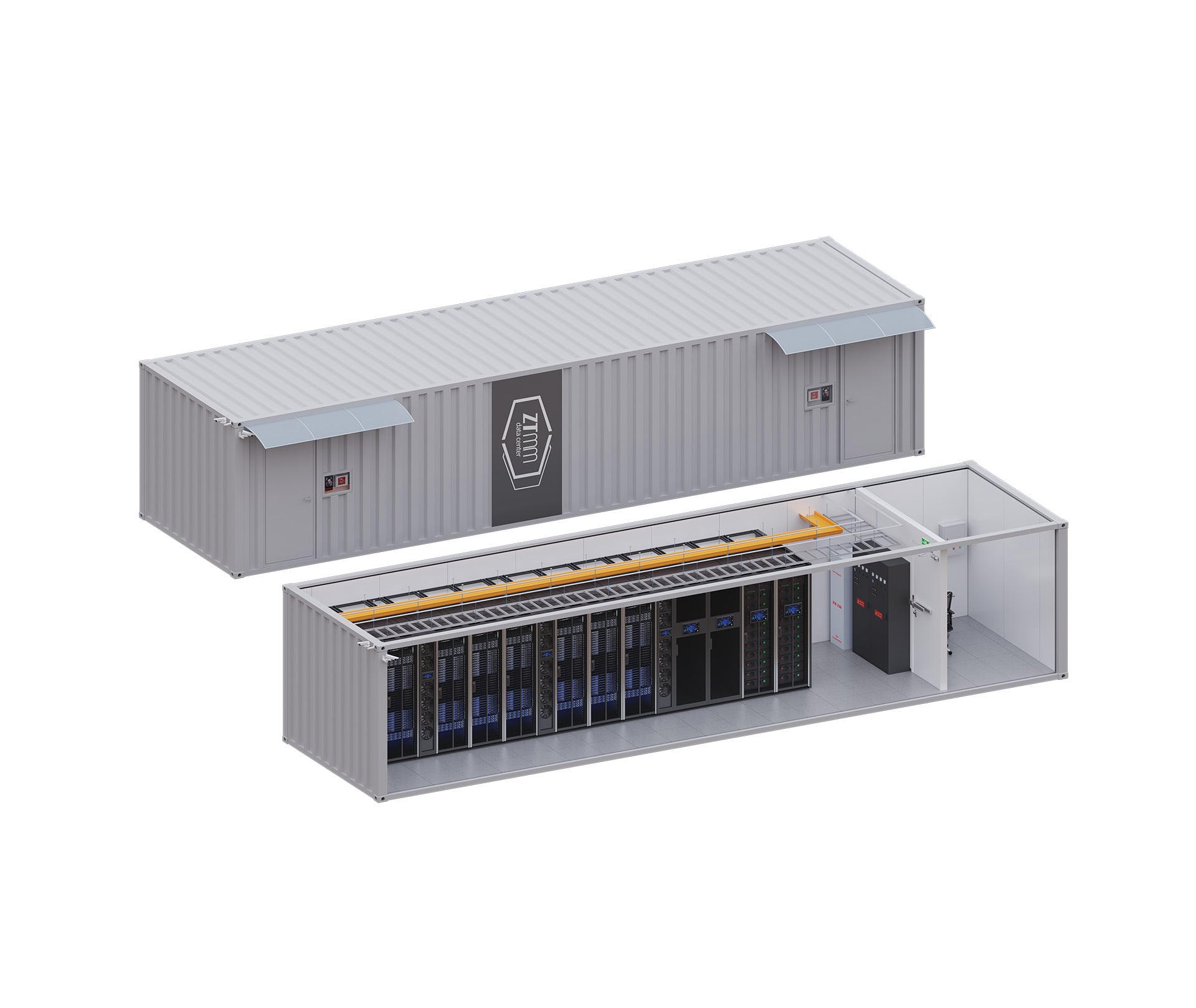
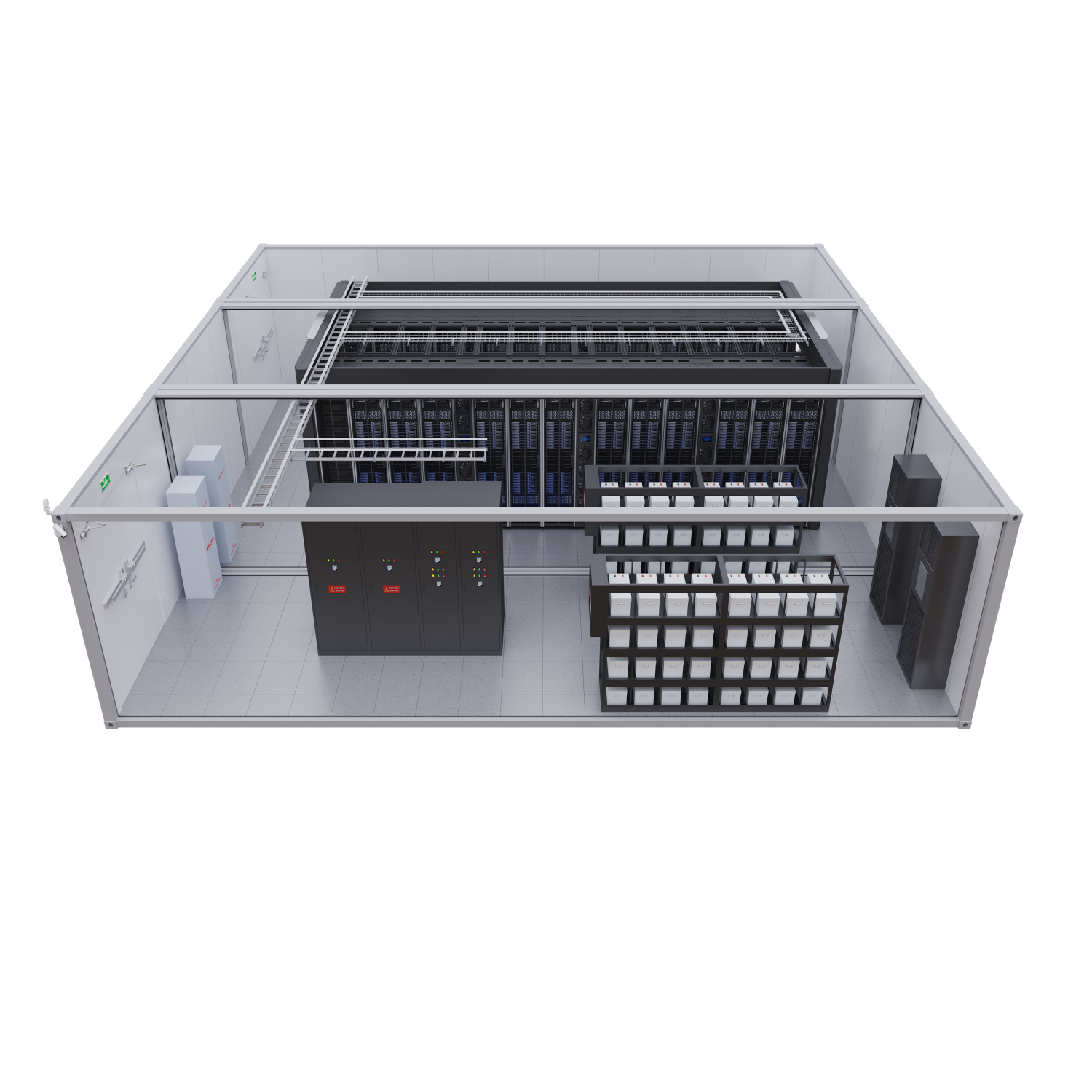
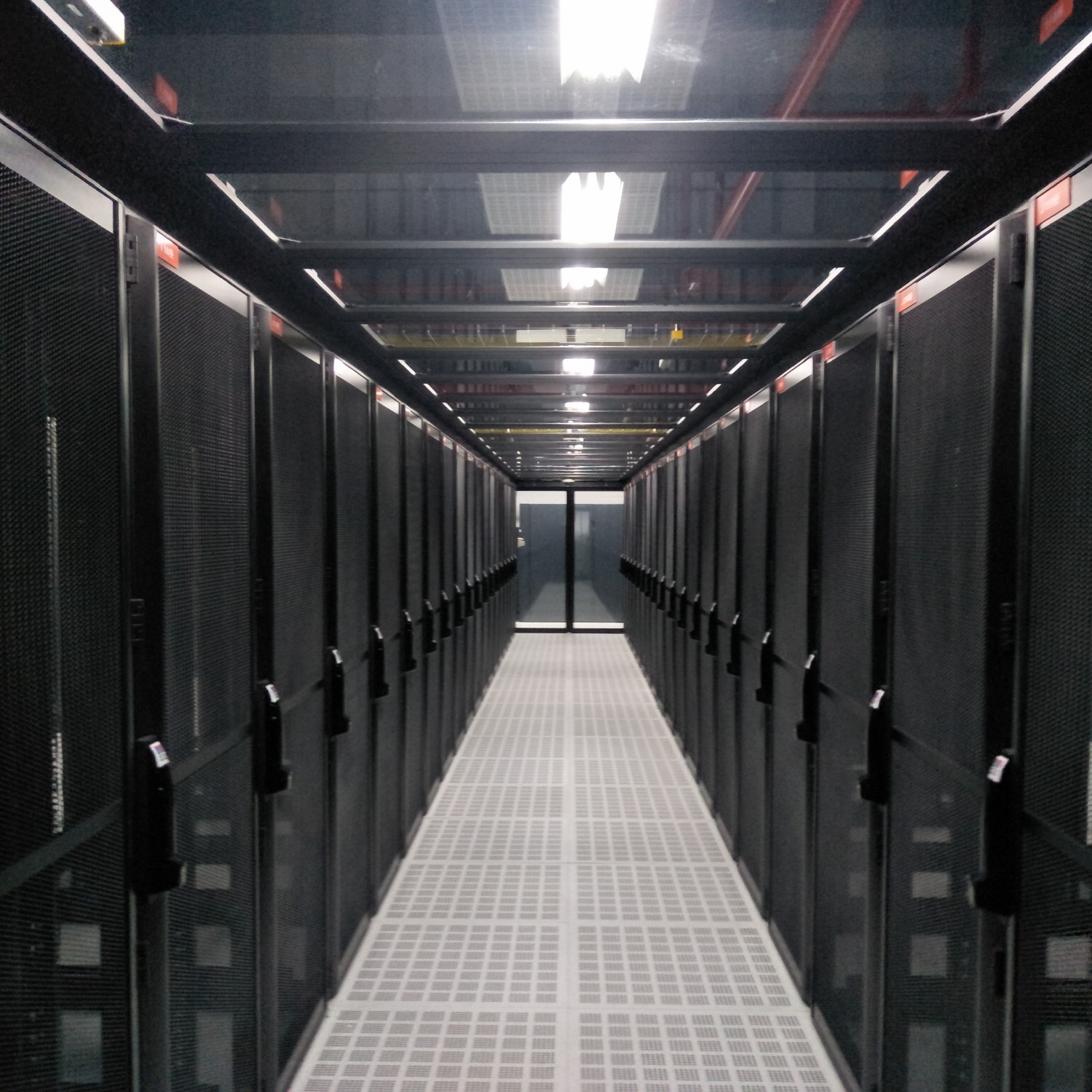
Cold aisle containment is a critical strategy for enhancing the efficiency of data centers. By isolating cold air supply from hot air exhaust, this method significantly improves cooling efficiency, reduces energy consumption, and enhances equipment reliability. Our solutions are designed to create a controlled environment that maximizes cooling performance while minimizing operational costs. With a focus on sustainability and scalability, our cold aisle containment systems are engineered to meet the unique needs of modern data centers. These systems not only help in maintaining optimal temperature levels but also facilitate better airflow management, ensuring that your data center operates at peak performance. By implementing our cold aisle containment solutions, clients can achieve significant savings on energy costs while extending the lifespan of their IT equipment. Experience the future of data center infrastructure with our innovative containment solutions.
Get A Quote

 EN
EN