
 EN
EN
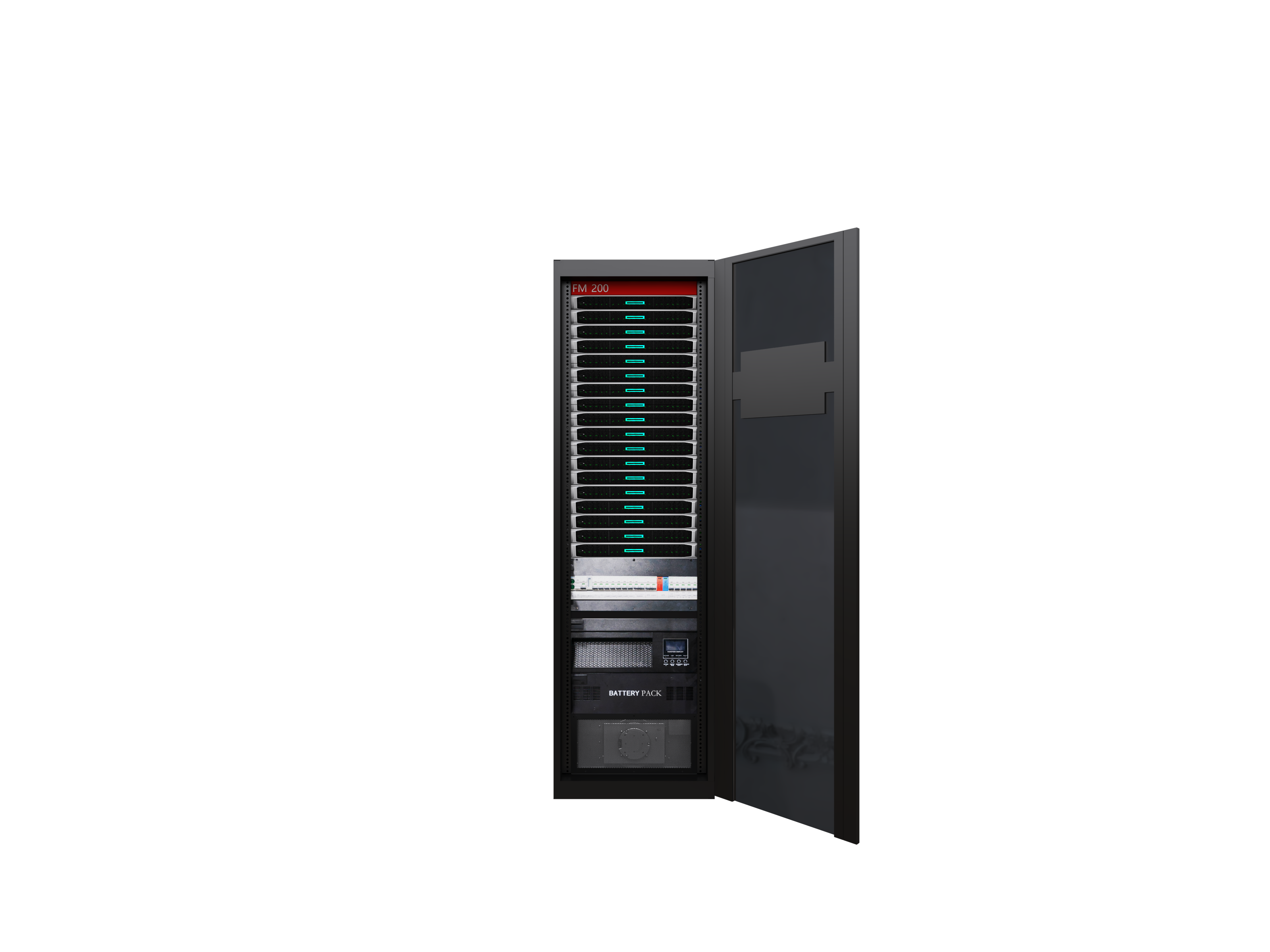
What Is a Micro Data Center?
A micro data center (MDC) is a compact, self-contained IT infrastructure solution that integrates computing, storage, networking, power, cooling, and monitoring systems into a secure enclosure.
Designed primarily for edge computing environments, micro data centers bring processing capabilities closer to where data is generated. They are commonly deployed in locations where traditional data centers are impractical, such as factories, retail stores, telecom sites, remote offices, and industrial facilities.
Unlike traditional data centers that require dedicated buildings and extensive onsite construction, micro data centers are usually pre-engineered and factory-assembled. Key systems are integrated and tested before delivery, allowing organizations to simplify installation and reduce onsite deployment complexity.
By placing computing resources closer to users, devices, or production environments, micro data centers help reduce network dependency, support faster data processing, and improve infrastructure flexibility for distributed applications.
Core Components and Design Features of Micro Data Centers
A micro data center combines multiple infrastructure systems into a compact and standardized solution.
The power system typically includes UPS units, rack power distribution units (rPDUs), electrical protection components, and monitoring systems. These components help maintain stable power delivery and provide visibility into energy usage and system status.
Cooling is another essential part of micro data center design. Depending on workload requirements and deployment environments, solutions may use technologies such as air cooling, in-row cooling, direct expansion (DX) cooling, or liquid cooling.
For edge locations with limited environmental control, integrated thermal management helps maintain suitable operating conditions while protecting IT equipment from temperature fluctuations.
Micro data centers also commonly include security and management features, such as access control, fire detection, environmental monitoring, and remote management platforms. These capabilities allow operators to monitor distributed infrastructure without requiring permanent onsite IT personnel.
Because workloads continue to evolve, especially with artificial intelligence, IoT, and industrial automation, some micro data center solutions are designed with flexible power and cooling options to support higher-density computing requirements.
Micro Data Center Applications Across Edge Computing Scenarios
One of the main reasons organizations adopt micro data centers is their ability to support distributed computing needs across different industries.
Telecommunications and 5G Infrastructure
Telecom operators use micro data centers to support edge network deployments, helping process data closer to users and connected devices.
By reducing the distance between computing resources and data sources, micro data centers can support applications that require responsive processing, including network services, IoT platforms, and smart connectivity solutions.
Smart Manufacturing and Industrial IoT
In manufacturing environments, large amounts of operational data are generated by sensors, machines, and production systems.
Micro data centers enable local data processing for applications such as equipment monitoring, predictive maintenance, quality inspection, and industrial automation.
This helps manufacturers improve operational efficiency while reducing dependence on centralized cloud resources.
Retail, Healthcare, and Remote Operations
Retail businesses can deploy micro data centers to support applications such as intelligent monitoring, inventory management, and local analytics.
Healthcare organizations may use edge infrastructure for applications requiring reliable local processing and secure data management.
Remote sites, including energy facilities, transportation systems, and field operations, can also benefit from compact computing infrastructure that operates in locations with limited IT resources.
Benefits and Deployment Considerations of Micro Data Centers
Micro data centers provide several advantages for organizations building distributed IT environments.
The first benefit is deployment flexibility. Since many systems are integrated before delivery, organizations can establish computing capacity in locations where traditional data centers are difficult to build.
Another advantage is scalability. Businesses can deploy computing resources based on actual requirements and expand capacity as workloads increase, helping avoid unnecessary infrastructure investment.
Micro data centers also support improved operational efficiency through remote monitoring and centralized management. This is especially valuable for organizations managing multiple distributed locations.
However, successful deployment requires careful planning. Factors such as site conditions, power availability, network connectivity, security requirements, and environmental conditions should be evaluated before installation.
For high-density workloads such as AI and advanced analytics, additional engineering considerations may be required, including enhanced power capacity and advanced cooling solutions.
Micro data centers are not designed to replace all traditional data centers. Instead, they provide a flexible infrastructure option for organizations that need localized computing, faster deployment, and edge processing capabilities.
Frequently Asked Questions
What is a micro data center?
A micro data center is a compact, integrated IT infrastructure solution that combines servers, storage, networking, power, cooling, and monitoring systems within a secure enclosure.
How is a micro data center different from a traditional data center?
Traditional data centers are large centralized facilities requiring dedicated buildings and extensive infrastructure. Micro data centers are smaller, modular solutions designed for localized deployment and edge computing applications.
What industries use micro data centers?
Common applications include telecommunications, manufacturing, retail, healthcare, energy, transportation, and other industries requiring distributed computing resources.
Can micro data centers support AI applications?
Yes. Micro data centers can support AI and high-performance computing applications when equipped with appropriate power capacity, cooling systems, and hardware configurations.
What are the main advantages of micro data centers?
Key advantages include flexible deployment, localized data processing, reduced onsite construction requirements, scalability, and support for distributed edge computing environments.
Table of Contents
- What Is a Micro Data Center?
- Core Components and Design Features of Micro Data Centers
- Micro Data Center Applications Across Edge Computing Scenarios
- Telecommunications and 5G Infrastructure
- Smart Manufacturing and Industrial IoT
- Retail, Healthcare, and Remote Operations
- Benefits and Deployment Considerations of Micro Data Centers
- Frequently Asked Questions
- What is a micro data center?
- How is a micro data center different from a traditional data center?
- What industries use micro data centers?
- Can micro data centers support AI applications?
- What are the main advantages of micro data centers?