 EN
Understanding the Role of Data Center Power in Modern Computing Infrastructure
As artificial intelligence, cloud computing, and digital services continue to expand, reliable electrical systems have become one of the most important foundations of modern data centers. Data center power is not simply about supplying electricity to servers. It involves a complete power chain that includes power input, energy conversion, backup protection, distribution, monitoring, and intelligent management.
A modern data center needs stable and high-quality power to keep servers, storage devices, networking equipment, and cooling systems operating continuously. Any instability in power supply may affect equipment performance, data availability, or overall operational reliability. For this reason, power architecture is usually planned together with cooling, rack layout, and IT deployment during the early design stage.
In practical projects, we have found that many customers initially focus more on computing equipment while underestimating the importance of power infrastructure. However, when deploying high-density computing environments, especially AI-related workloads, the electrical system becomes a key factor that determines whether the entire facility can operate efficiently.
According to IEEE’s research on data center electrical systems, power delivery involves multiple stages, including utility input, transformers, UPS systems, power distribution equipment, and rack-level power delivery. A well-designed electrical architecture helps improve reliability, power quality, and operational flexibility. [1]
UPS Systems and Power Protection for Continuous Data Center Operation
Uninterruptible Power Supply (UPS) systems sit among the core building blocks for data center power protection. Their primary job is to deliver steady power when grid voltage swings or short term power outages strike.
Inside standard data center setups, UPS units shield sensitive IT hardware. They filter out electrical noise and supply temporary backup power during the gap before backup generators or alternative power sources kick in.
For smaller, distributed compute sites, rack mounted UPS brings power protection right at equipment level. This option works really well for edge locations and micro data centers, where space savings and flexible roll outs rank high on the list.
Rack mounted UPS hardware fits neatly inside standard server racks. Businesses gain reliable power safeguards without carving out extra dedicated floor space. These units can hook into existing monitoring platforms, feeding real time data on battery health, load levels and operational performance.
Based on real world project work, customers running remote compute sites tend to lean toward integrated power solutions. These cut down installation headaches and make routine maintenance far simpler. Rather than juggling standalone power protection gear, teams get a well aligned architecture where UPS, power distribution and monitoring function as one unit.
Getting the UPS sizing and configuration right hinges on IT load demands, target availability levels, maintenance approaches and future growth roadmaps. No one size fits all UPS layout exists for every use case, which is why thorough engineering assessment stays indispensable.
Integrated Power Distribution Systems for Flexible Data Center Deployment
After power is protected by UPS systems, it must be safely distributed to different equipment groups. This is where power distribution panels, power distribution units, and busbar systems become essential parts of data center power architecture.
An integrated UPS power distribution panel combines power protection and distribution functions into a coordinated solution. Compared with traditional separated installations, integrated designs can simplify cable management, reduce installation coordination, and improve system organization.
For modular data centers and AI computing environments, compact power distribution is becoming increasingly important. Limited space, higher rack densities, and faster deployment requirements require electrical systems that are easier to install and maintain.
A well-designed distribution system should consider several factors, including load balancing, protection coordination, maintenance accessibility, and future scalability. These considerations help ensure that additional racks or computing equipment can be added without major infrastructure changes.
In many modern projects, power distribution is also connected with intelligent monitoring platforms. Real-time information about power consumption and system status helps operators understand energy usage patterns and make better decisions about capacity planning.
Industry standards and engineering practices continue to evolve as data center power requirements increase. Organizations such as IEEE have been studying new approaches for modular data center electrical design and DC distribution systems to support future infrastructure development. [2]
Power Architecture Designed for AI and High-Density Computing
The growth of AI workloads has changed the requirements for data center power systems. Traditional enterprise servers usually have predictable power consumption, while AI computing clusters often involve higher-performance processors, accelerators, and more demanding thermal conditions.
For AI-focused environments, electrical design needs to consider not only current power requirements but also future expansion possibilities. High-density racks may require stronger power distribution capacity, improved monitoring capability, and more flexible deployment methods.
This is why many AI infrastructure projects adopt modular power solutions. Factory-integrated power systems, including UPS modules and distribution panels, can be designed together with cooling and IT systems before deployment.
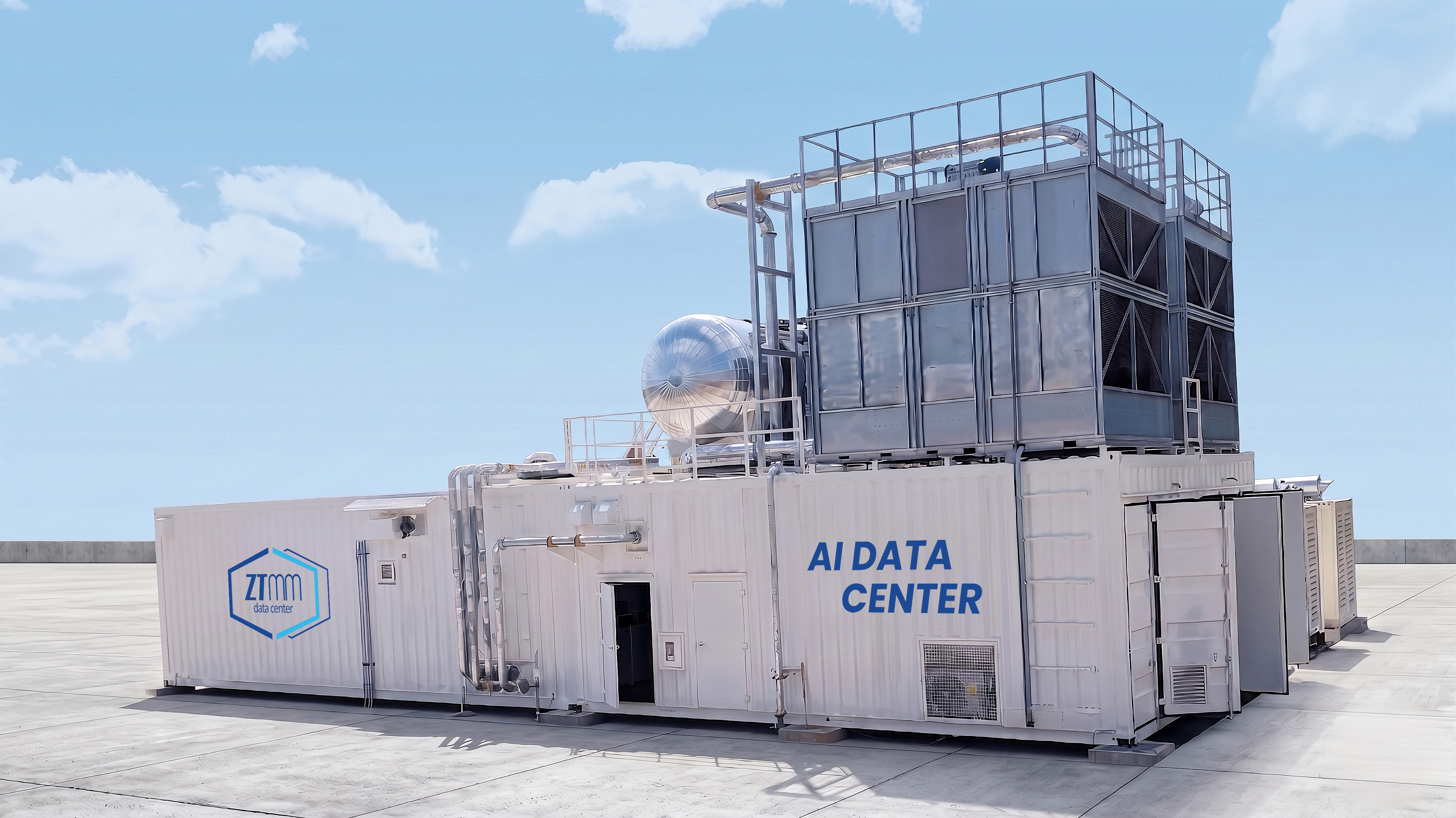
For example, an AI data center container may combine computing equipment, cooling systems, and power infrastructure into a pre-engineered solution. This approach helps reduce onsite integration challenges and provides a more predictable deployment process.
In our experience working with modular infrastructure concepts, customers increasingly value solutions that combine reliability with flexibility. They want systems that can support today's workloads while leaving room for future AI expansion.
However, power design should always match actual application requirements. Oversizing electrical systems may increase unnecessary investment, while insufficient capacity can limit future growth. A balanced approach based on workload analysis and operational goals is usually the most effective strategy.
Building a Complete Data Center Power Solution with Professional Engineering Support
A successful data center power system is not created by selecting individual components separately. It requires coordination between UPS systems, distribution equipment, monitoring platforms, cooling infrastructure, and IT requirements.
For organizations planning new data center projects, choosing a supplier with integrated engineering capabilities can simplify the entire process. A complete power solution should consider equipment compatibility, installation requirements, maintenance convenience, and long-term operation.
Our approach focuses on providing coordinated solutions including rack-mounted UPS systems and integrated UPS power distribution panels. These products are designed to support modular data centers, edge computing environments, and modern IT infrastructure where reliability and space efficiency are important.
Whether the application is an AI computing facility, enterprise data room, telecom edge site, or industrial computing environment, the power architecture should be designed around real operational needs.
As data centers continue to evolve, electrical infrastructure will remain a critical foundation. By combining reliable power protection, intelligent distribution, and scalable design, organizations can build computing environments that are ready for current and future digital demands.
Frequently Asked Questions
What is data center power?
Data center power refers to the complete electrical infrastructure that supplies, protects, distributes, and manages electricity for servers, networking equipment, storage systems, and other facility systems.
Why is UPS important in a data center?
UPS systems provide power protection by stabilizing electricity quality and supporting equipment operation during temporary power interruptions or fluctuations.
What is a rack-mounted UPS used for?
A rack-mounted UPS is designed to provide power protection inside server cabinets. It is commonly used in edge computing, micro data centers, and environments where space efficiency is important.
Why are integrated power distribution panels useful for data centers?
Integrated power distribution panels combine multiple electrical functions into a coordinated system, helping simplify installation, improve organization, and support easier maintenance.
How should companies design a data center power system?
A data center power system should be designed according to IT workload requirements, expected growth, reliability objectives, available space, and future expansion plans.
If you are planning an AI data center, modular data center, or edge computing infrastructure project, choosing the right power solution is essential for ensuring reliable operation and future scalability.
Our professional team can provide customized support for UPS systems, power distribution solutions, and complete data center power architecture design based on your IT load requirements, deployment environment, and operational goals.
[1]Data center power | IEEE Technology Navigator
[2]IEEE SA -P3710.1
Table of Contents
- Understanding the Role of Data Center Power in Modern Computing Infrastructure
- UPS Systems and Power Protection for Continuous Data Center Operation
- Integrated Power Distribution Systems for Flexible Data Center Deployment
- Power Architecture Designed for AI and High-Density Computing
- Building a Complete Data Center Power Solution with Professional Engineering Support
- Frequently Asked Questions
- What is data center power?
- Why is UPS important in a data center?
- What is a rack-mounted UPS used for?
- Why are integrated power distribution panels useful for data centers?
- How should companies design a data center power system?