 EN
Building a Reliable Foundation for Modern Data Center Infrastructure
As digital workloads keep expanding, data centers are far more than basic server rooms. These are complex operating environments, where compute hardware, power supply, cooling systems, monitoring tools and physical security all need to work in sync. Solidly built data center infrastructure lays the groundwork, so IT gear can run safely, efficiently and without interruption.
In real world projects, plenty of customers fixate first on server capacity or total rack counts. Even so, a data center’s real world performance hinges on how well every subsystem plays together. Power distribution, thermal management, network links and environmental controls all shape overall facility stability.
Through hands on work with modular and high density compute deployments, we keep seeing the same set of pain points for clients: rising heat output, tight installation space, and pressure to get everything up and running quickly. A full scope data center infrastructure solution addresses these headaches. It brings core components into one unified system, rather than letting each piece operate in isolation.
Leading industry bodies like ASHRAE stress that modern data centers demand joined up planning covering power, cooling, airflow management and IT hardware requirements. Good alignment across these systems is critical to hold steady reliability and accommodate later upgrades.
That explains why today’s data center infrastructure leans heavily toward integrated designs. This includes liquid cooling hardware, modular power units, smart monitoring platforms and adaptable cooling frameworks that can shift along with evolving workload demands.
Core Cooling Systems That Support High-Density Computing
Cooling sits high on the priority list for any data center infrastructure. IT hardware constantly turns electrical power into waste heat. As compute density ramps up, older cooling approaches often struggle to keep temperatures in check, especially for AI and high performance computing workloads.
A solid cooling strategy usually mixes multiple technologies tailored to each project’s real world needs. For medium density deployments, air based cooling delivers reliable temperature control and keeps day to day operation and maintenance straightforward. When density climbs higher, liquid cooling moves into the spotlight. Liquids pull heat away from powerful components far more efficiently than air can manage.
Take in rack cooling systems for example. They bring cooling right to the heat source by managing airflow at rack level. This cuts down on wasted airflow and keeps temperatures far more consistent across the equipment zone.
In rack CDU (Coolant Distribution Unit) hardware is widely deployed within liquid cooling setups. It manages coolant flow between facility level cooling loops and IT hardware, maintaining steady operating conditions for liquid cooled servers. The CDU acts as a vital link connecting cooling infrastructure to high density compute gear.
Fan Wall Units offer another practical option for large scale airflow management. Built from multiple fan modules, they deliver well regulated airflow distribution while leaving room for easy maintenance and capacity tweaks.
Dry coolers have also grown into a key piece of energy efficient cooling design. They tap into outdoor ambient conditions to shed heat from cooling loops, making them a strong fit for projects where energy savings and simple maintenance rank high.
Per ASHRAE’s thermal design guidance, cooling design should look beyond just current workloads. Teams need to factor in hardware requirements, site environmental conditions, airflow behaviour, and future technology shifts.
Power, Monitoring, and Control Systems for Stable Operations
A full fledged data center infrastructure needs much more than just cooling hardware. Reliable power supply and smart monitoring carry equal weight. No matter how advanced your cooling system is, it cannot safeguard hardware without steady electrical input.
Modern data centers commonly house power distribution gear, backup power units, monitoring sensors and control platforms. All these systems operate as one, giving operators clear visibility over energy draw, device health and real time operating status.
Power planning gets far trickier for high density compute environments. Today’s latest processors and accelerators draw higher power and swing consumption rapidly. Engineers have to weigh existing capacity, future growth potential and system redundancy right at the design phase.
Intelligent monitoring platforms also grow increasingly important for day to day infrastructure management. Operators keep tabs on temperature, power draw, cooling performance and device alerts from one central dashboard. This lets teams spot trouble early and arrange maintenance work in a more efficient way.
From real world project experience, customers tend to get much better long term outcomes when power, cooling and monitoring are designed hand in hand from day one. If these systems are planned in isolation, compatibility headaches often pop up during later expansion or hardware upgrades.
Well integrated data center infrastructure gives operators tighter command over daily running, while building a flexible base to meet upcoming compute demands.
Modular Infrastructure for Flexible Data Center Deployment
Traditional data center construction often requires significant preparation time, complex onsite coordination, and large amounts of fixed infrastructure. Modular approaches provide an alternative by integrating key systems into factory-designed units that can be deployed more efficiently.
For customers requiring rapid capacity expansion, remote deployment, or specialized computing environments, modular data center infrastructure can provide greater flexibility.
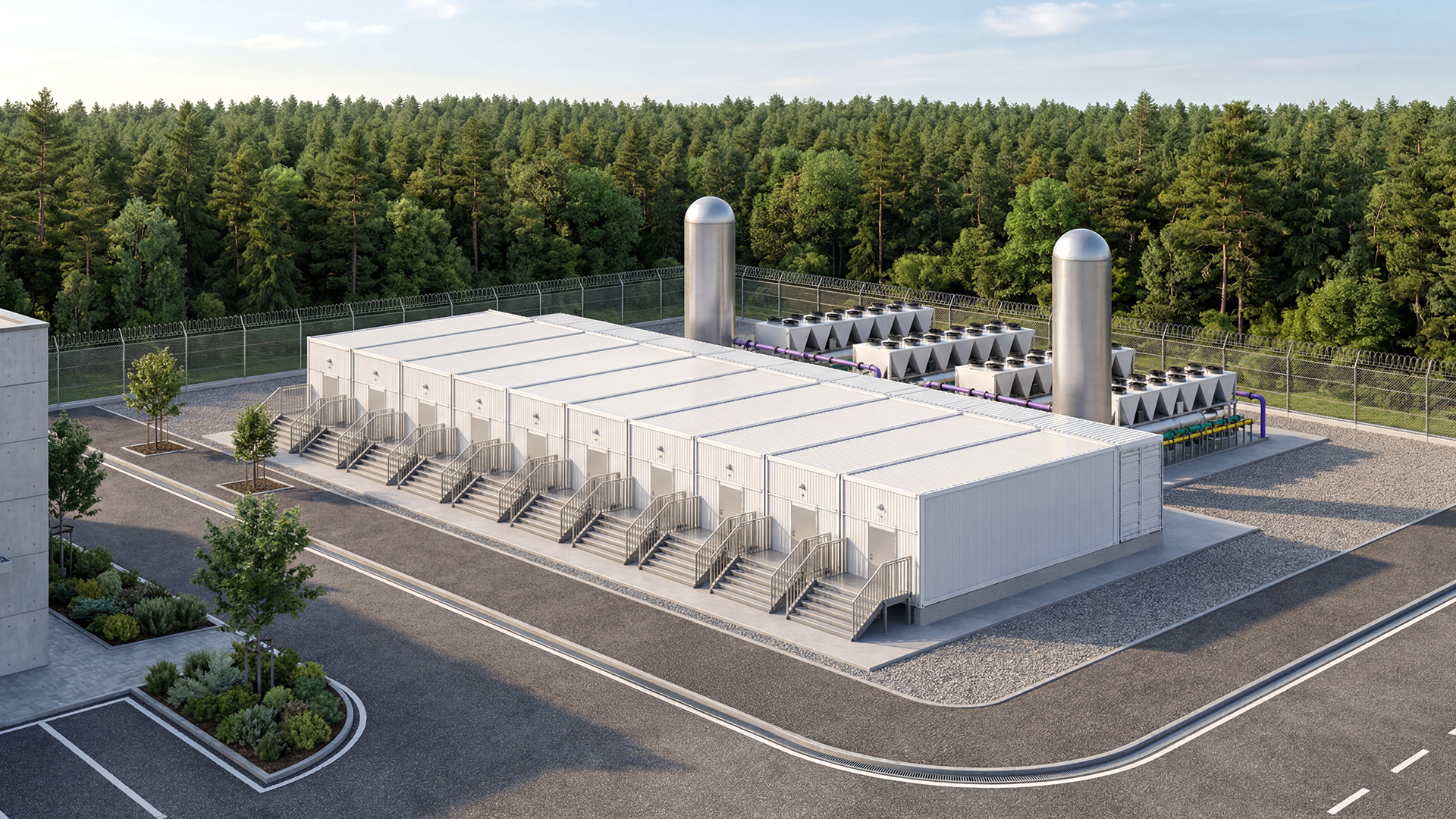
AI Data Center Containers, for example, combine computing space, cooling systems, power distribution, and environmental protection into a compact solution. Depending on application requirements, these systems can be configured with liquid cooling or air cooling technologies.
Liquid cooling containers are especially suitable for high-density AI workloads because they provide a more direct method of heat removal from advanced computing hardware. Air cooling containers remain a practical choice for many enterprise and edge applications where workload density and operating conditions are different.
The advantage of modular infrastructure is not simply faster installation. It also allows customers to expand capacity according to actual demand instead of investing heavily in unused space from the beginning.
For industries such as telecommunications, manufacturing, energy, and AI computing, modular data center infrastructure provides a practical method to deploy computing resources closer to where data is generated.
Choosing the Right Data Center Infrastructure Partner
Picking the right infrastructure solution means getting to grips with how hardware, cooling tech, site conditions and future growth plans all connect with one another.
Pulling off a solid data center project goes way beyond buying standalone pieces of hardware. It calls for a holistic mindset that accounts for system compatibility, on site installation constraints, ongoing maintenance demands, and long term scalability.
Professional suppliers deliver a full product portfolio including in rack CDU, fan wall units, dry coolers, air cooling systems and liquid cooled containers. They can walk customers through shaping a well rounded data center infrastructure strategy.
Every real world deployment comes with its own set of priorities. A telecom site might value compact footprint and remote manageability above everything else. Meanwhile, an AI compute facility cares most about cooling throughput and power density. For this reason, matching equipment to real workloads and site surroundings beats chasing the latest cutting edge tech for its own sake.
A trustworthy technology partner should back customers with end to end engineering support, spanning initial planning, detailed design, system integration all the way through to commissioning. This cuts down project risks and helps customers build out an infrastructure platform that stays stable, efficient and easy to scale.
As digital transformation keeps advancing, data center infrastructure will stay critical to power cloud services, AI workloads, edge deployments and day to day digital business operations.
FAQ
What does data center infrastructure include?
Data center infrastructure includes all essential systems required for reliable operation, including power distribution, cooling systems, IT equipment support, monitoring platforms, networking, and physical protection.
Why is cooling important in data center infrastructure?
Cooling manages the heat generated by servers and computing equipment. Proper cooling design helps maintain equipment reliability and supports stable operation, especially in high-density computing environments.
What is an In-Rack CDU used for?
An In-Rack CDU manages coolant circulation between facility cooling systems and liquid-cooled IT equipment. It helps control temperature and supports liquid cooling applications for high-performance computing.
Are modular data centers suitable for AI workloads?
Yes, modular data centers can support AI workloads when designed with suitable power and cooling systems. Liquid cooling solutions are often considered for higher-density AI applications.
How can companies choose the right data center infrastructure solution?
Companies should evaluate workload requirements, deployment environment, future expansion plans, cooling needs, and operational goals before selecting infrastructure components.